Large jury verdicts, dram shop laws in most states, joint and several liability rules and fewer insurers in the market are all pushing premiums up, even for bars with clean claim histories.
Your renewal notice just landed, and the number doesn’t look like a typo. You haven’t had a claim in years. Your staff is trained. And your liquor liability insurance cost still doubled, or worse.
You’re not alone, and it isn’t about your bar. But how you run your door is one of the few things you can still control.
How Bad Is It?
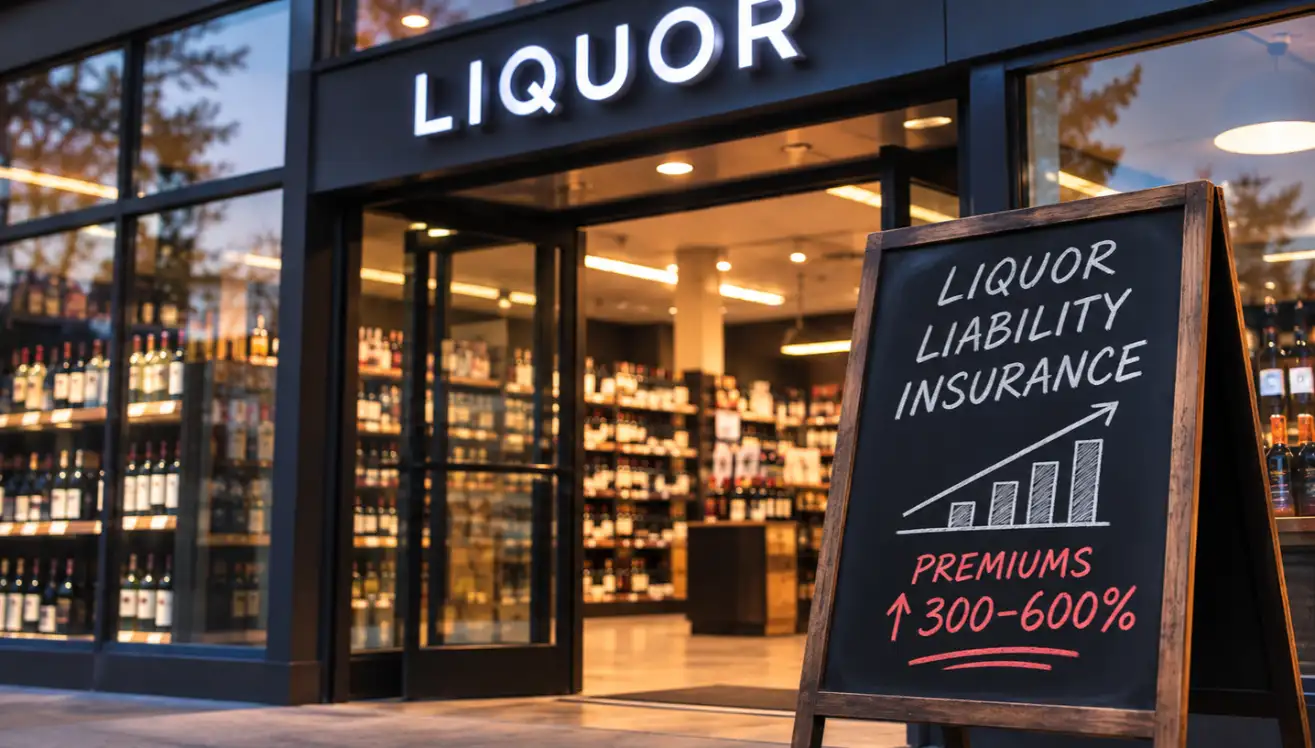
In some states, liquor liability premiums have jumped 300% to 600%. Small neighborhood bars have gone from about $5,000 a year to $50,000 or more, regardless of claim history, according to industry sources cited by IA Magazine in August 2026.
A WTW broker told Leader’s Edge that annual increases of $10,000 to $56,000 are “not an outlier.” In South Carolina, more than two dozen bars announced closures in the fall of 2025, with soaring premiums the main reason.
Why Premiums Keep Climbing
A few forces are driving the market:
- Dram shop laws. 43 states and Washington, D.C. have some form of dram shop law, which can hold a bar liable for serving a minor or a visibly intoxicated patron who later causes harm.
- Nuclear verdicts. Juries have handed down drunk-driving verdicts of $112.9 million and $831 million in Texas and $37.5 million in Illinois over the past decade, according to Leader’s Edge.
- Joint and several liability. In some states, a bar found only partly at fault can be on the hook for the full award.
- Fewer insurers. Carriers are leaving the market, and the ones that stay are writing narrower policies.
The Fine Print Is Getting Tighter, Too
It isn’t only the premium. According to Claims Journal, carriers are putting sublimits of $250,000 to $500,000 on assault and battery coverage, adding firearms exclusions and raising deductibles.
That matters, because a fight at the door or on the dance floor is one of the most common claims a bar faces. If your coverage for that is capped, keeping the wrong person out matters more than ever.
What Underwriters Want To See
You can’t control jury verdicts. But you can control how your bar looks on paper. Brokers say underwriters respond to venues that can show strong controls, not just promise them.
CRC Group’s advice for bars heading into renewal includes:
- Start early. Begin shopping at least 45 days before renewal, with a complete application.
- Have your loss runs ready. Expect to provide five years of currently valued loss history.
- Tell your story. Give underwriters a clear picture of how you operate and manage risk.
- Train your staff. Keep bartenders certified through TIPS or a similar program.
- Use technology. POS systems, security cameras and ID scanners help monitor alcohol service.
- Clean up your marketing. Remove old posts promoting drink specials or events you no longer run.
Claims Journal reports the same thing: bars that document strong controls for overserving and assault and battery are more attractive to underwriters.
South Carolina Puts A Number On It
South Carolina has gone furthest in tying risk controls to insurance. Under Act 42, which took effect January 1, 2026, bars selling alcohol for on-premises consumption after 5 p.m. must carry $1 million in liquor liability coverage. They can lower that requirement by adopting specific safety measures, according to the SC Department of Revenue:
- Stop serving by midnight: $250,000 reduction
- Train all alcohol servers: $100,000 reduction
- Keep alcohol under 40% of sales: $100,000 reduction
- Use an approved forensic digital ID system from midnight to 4 a.m.: $100,000 reduction
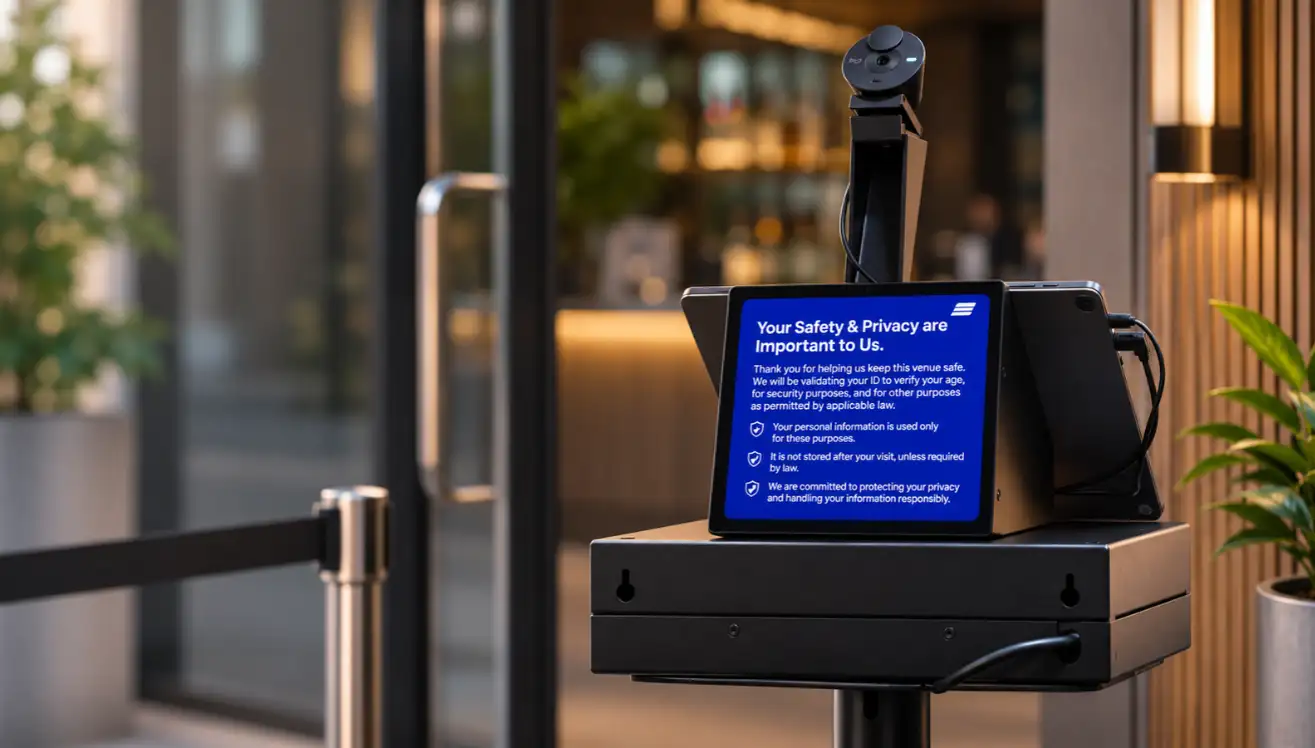
Venues open past midnight must also scan every entering patron’s ID with an approved forensic system. Patronscan is on the state’s approved list. See South Carolina’s ID scanning rules for the details.
Even if you’re not in South Carolina, the message is clear: regulators and insurers increasingly treat forensic ID scanning as a sign of a well-run venue.
How Your Door Becomes Your Best Evidence
Underwriters and attorneys ask the same question after an incident: what did you do to prevent it? A bouncer’s memory is not an answer. A record is.
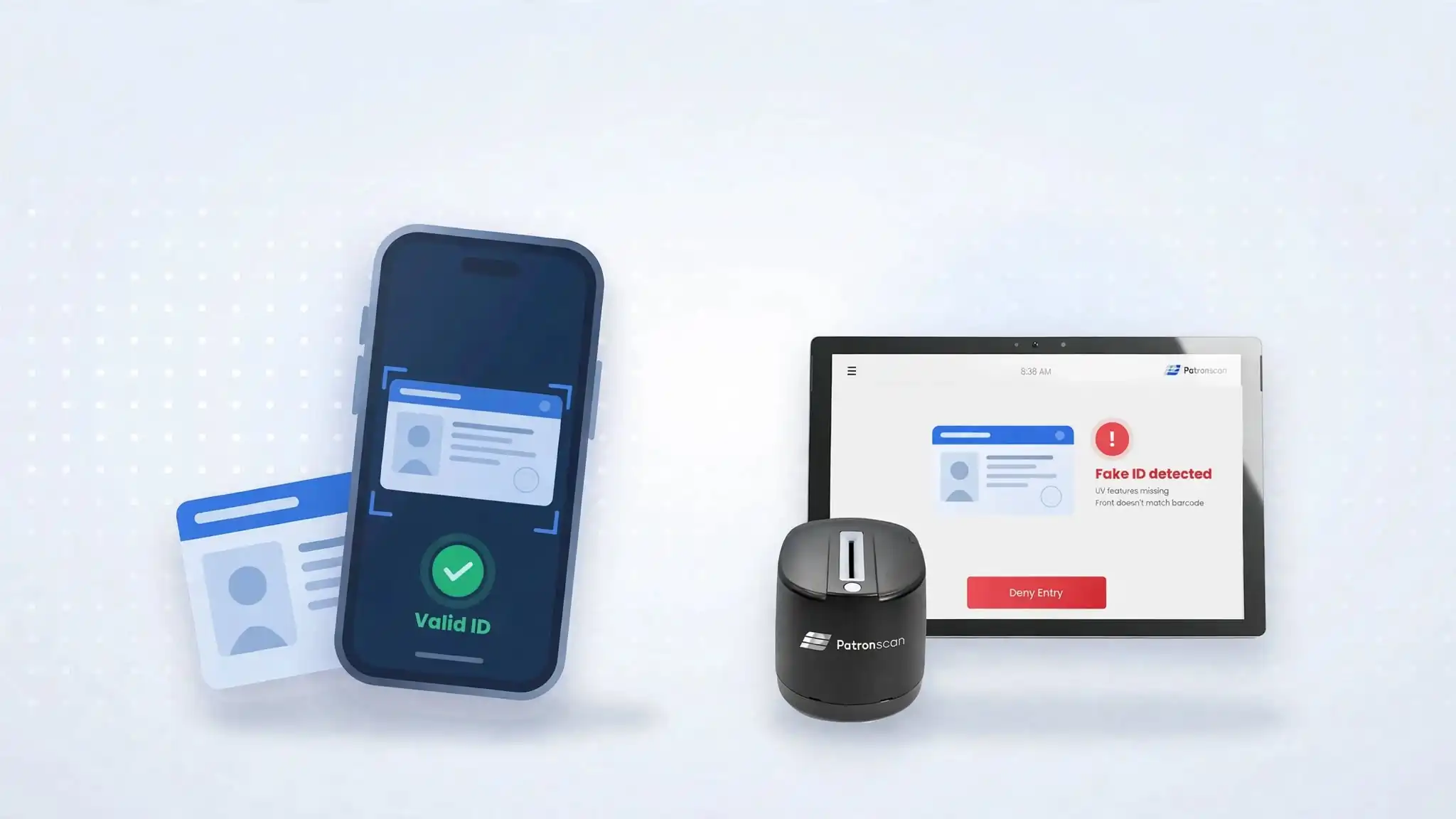
Patronscan gives bar and nightlife operators the power to know exactly who is walking through their door, and to make sure the wrong person never gets in twice.
- Stop underage entry. Forensic ID validation checks more than 8,500 data points in seconds, catching fakes that pass a visual check. Serving a minor is one of the fastest ways into a dram shop claim.
- Keep known troublemakers out. The Flag Network bans a patron across every venue in your group, and flags them at participating venues, before they can start the next fight.
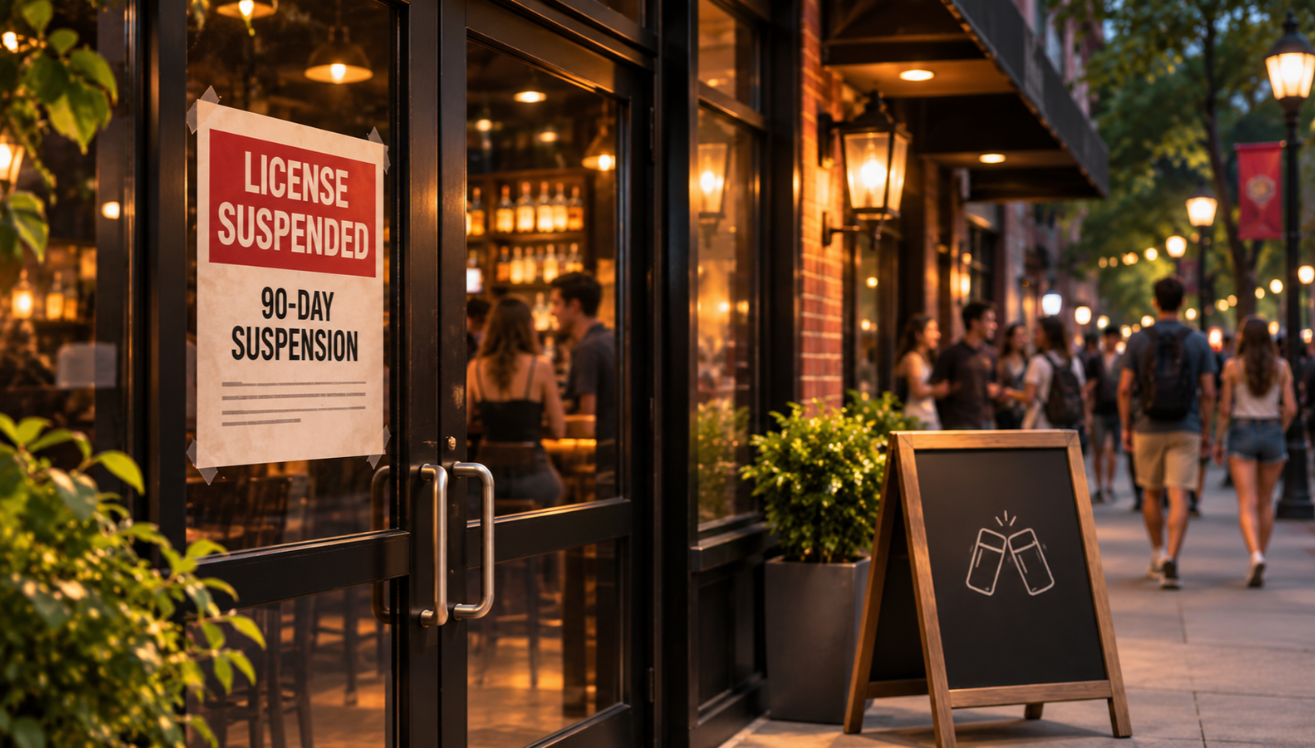
- Build a record for every night. Each scan creates a timestamped entry record you can show licensing boards, insurers and attorneys. Licensing boards weigh that history too, as a recent 90-day liquor license suspension in Maryland showed.
Lower risk doesn’t guarantee a lower premium. But when you sit down with your broker, you’ll have proof instead of promises.
Show Them Proof, Not Promises
You can’t stop the insurance market from moving. You can walk into your next renewal with a documented record of who came through your door, and who you kept out.
See how Patronscan’s ID scanning for bars and nightclubs protects your license and your margins. Book a demo.
Frequently Asked Questions
How can a bar lower its liquor liability insurance cost?
Start renewal early, provide complete loss runs, train staff, document how you control overserving and fights, and use tools like cameras and forensic ID scanners. In South Carolina, specific measures reduce the coverage the state requires.
Does an ID scanner reduce liquor liability insurance?
In South Carolina, using an approved forensic ID system from midnight to 4 a.m. reduces the required coverage by $100,000. Elsewhere, insurers set their own pricing, but brokers list ID scanners among the controls underwriters want to see.
Featured Resources