Verisk CargoNet estimates $230.1 million in losses across the US and Canada in Q3 2026, up 12% from Q3 2025, across 547 reported incidents. Losses for the first nine months reached $718.9 million.
Cargo theft Q3 2026 numbers are in, and they tell a split story: thieves are stealing less often, but they are taking far more each time. Verisk CargoNet recorded 547 supply chain crime incidents across the US and Canada from July through September, down 33% from a year earlier. Estimated losses still rose 12%, to $230.1 million.
The bigger warning is how those loads are being taken. Fictitious pickups, where a criminal uses deception to get a shipment released, now make up roughly 25% of reported incidents, up from 18%. For warehouse and distribution center teams heading into peak season, that puts the spotlight on one question: do you actually know who is standing at your dock?
What happened in the cargo theft Q3 2026 report?
On Nov. 4, 2026, Verisk CargoNet published its third-quarter supply chain crime analysis for the US and Canada. Incident counts fell sharply, but the value of what was stolen kept climbing. As Commercial Carrier Journal put it, losses climbed even as incidents continued to decline.
| Measure | Q3 2026 figure | Change |
|---|---|---|
| Reported incidents (US + Canada) | 547 | Down 33% year over year, down 19% from Q2 2026 |
| Estimated Q3 losses | $230.1 million | Up 12% from $205.1 million in Q3 2025 |
| Year-to-date losses (through September) | $718.9 million | Up 39% |
| Year-to-date incidents | 2,072 | Down 25% from 2,755 |
| Average value per theft (year to date) | $448,456 | Up about 72% from $261,115 |
| Thefts worth $1 million or more | 19 | Up from 9 in Q3 2025 |
| Fictitious pickups | 138 (about 25% of incidents) | Count down 6%, share up from 18% |
Verisk says its Q3 data runs through Oct. 23, 2026, and that prior-period figures can shift as late reports come in. Many of the million-dollar thefts involved high-value electronics and data center materials, according to Trucknews.
Why are fictitious pickups now one in four cargo thefts?
Fictitious pickups held almost steady in number (138 vs. 147 a year earlier), but because other theft types dropped faster, they now account for about a quarter of all reported incidents. FleetOwner called them a continuing threat to trucking.
Verisk defines these as incidents where deception is used to obtain a shipment. Criminals use compromised business email accounts, internet-based phone systems and transportation industry apps to impersonate legitimate companies, get shipment details or redirect freight.
Keith Lewis, vice president of operations at Verisk CargoNet, said in the release: “We’re seeing criminals combine digital deception with traditional theft tactics to identify, intercept and redirect high-value shipments.” He added that this makes “strong identity verification, shipment visibility and communication across the supply chain” even more important.
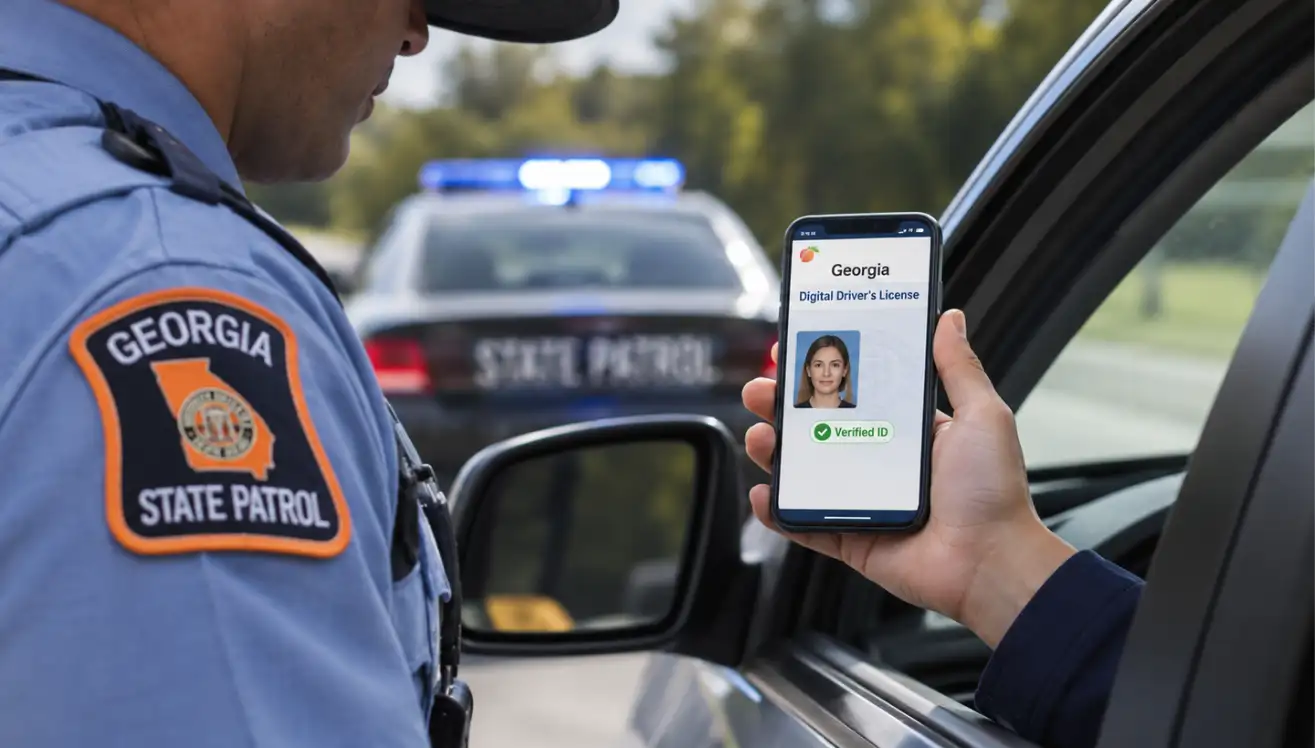
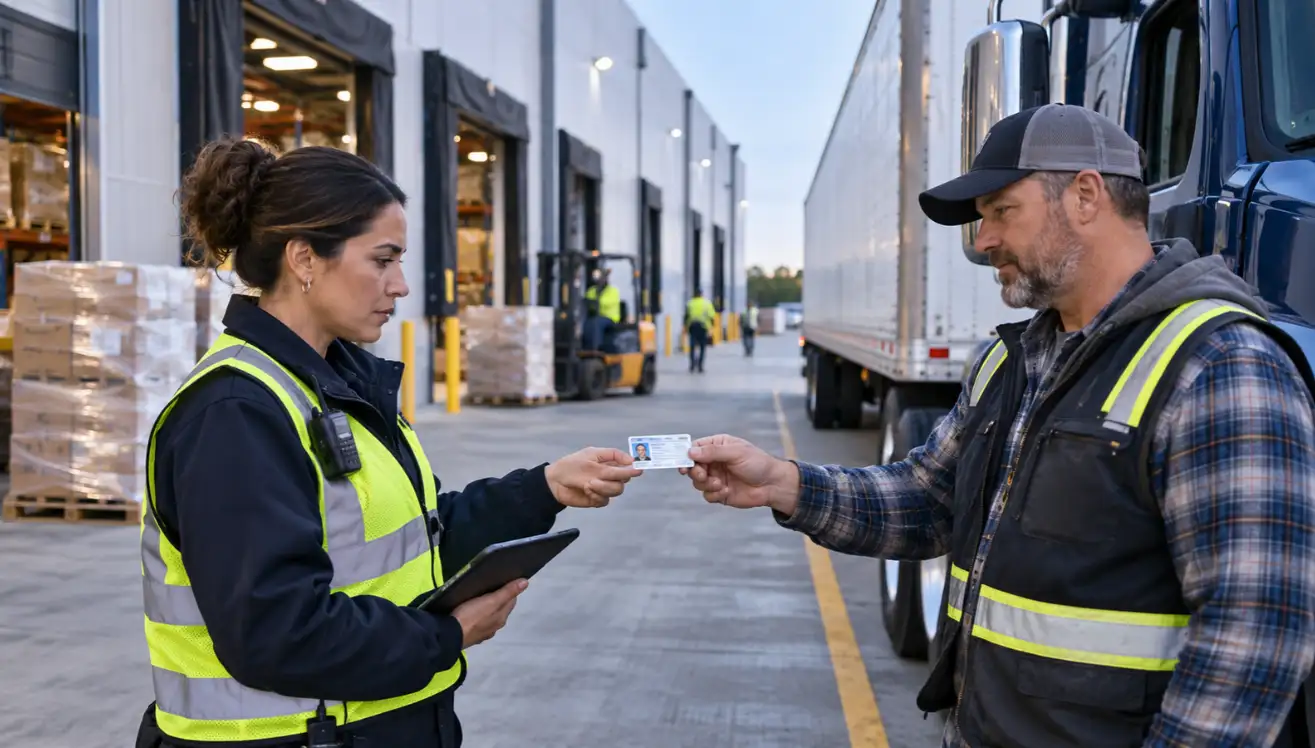
The digital scheme usually ends in a physical moment: someone has to show up and drive away with the load. Industry experts told FreightWaves that fraud rings send impostor drivers with fake credentials, and that fake commercial driver’s licenses can show almost no red flags to the naked eye. That handoff at the dock is where a warehouse can still stop the theft.
Where is cargo theft happening, and what are thieves taking?
Four states accounted for 57% of Q3 incidents: California (182), Texas (43), New Jersey (46) and Illinois (40), per Verisk. The most targeted counties were Los Angeles, San Bernardino and Riverside in California, Harris County in Texas and Cook County in Illinois. Claims Journal reported that warehouses and distribution centers were the most targeted location type, followed by truck stops.
| Commodity | Q3 2026 incidents | Q3 2025 incidents |
|---|---|---|
| Food and beverage | 94 | 178 |
| Metals (34 copper) | 63 | 68 |
| Household goods | 49 | 95 |
| Electronics | 46 | 69 |
| Personal care and beauty | 39 | 44 |
Cosmetics were one of the few categories that rose (14, up from 9). Lewis also flagged data center materials as a growing target.
What the Q3 2026 cargo theft numbers mean for warehouse and logistics security teams
- Each theft hurts more. With the year-to-date average loss near $450,000, one released load can wipe out a quarter’s shrink target.
- The dock is the last line of defense. Email, phone and app-based fraud happens upstream, but the load still has to be handed to a person. Badges and paperwork confirm a document, not the person holding it.
- Repeat players move between sites. Organized groups that succeed at one facility can try the same playbook at another location in your network.
- Evidence matters. If a load does go missing, investigators and insurers need a clear record of who picked it up and when.
- Peak season raises the risk. Verisk notes that theft has historically increased in Q4 and into the new year, as thieves exploit extended facility closures and reduced staffing.
How can you prevent fictitious pickups this holiday season? A dock checklist
Use this list with shipping, receiving and gate staff before the Q4 rush. It builds on the identity verification and visibility steps Verisk and the experts quoted by FreightWaves recommend.
- Confirm pickup changes by calling a known number on file, not the number in the email or text that requested the change.
- Require every driver to present a government-issued ID or CDL before any load is released.
- Authenticate the ID itself, not just the photo. A good fake passes a glance.
- Check that the driver’s name matches the carrier and driver details on the load tender.
- Record the driver, truck, trailer and time of release in a single, searchable log.
- Escalate any mismatch to a supervisor before the truck leaves. Never let a driver talk their way past a hold.
- Brief temporary and holiday staff on these rules, since thieves target gaps in staffing.
How Patronscan fits in
Verisk’s advice comes down to strong identity verification. Patronscan gives logistics security teams a way to know exactly who is walking into the facility, and who is driving away with the freight.
| Dock risk from the Q3 report | How Patronscan helps |
|---|---|
| Impostor drivers with fake licenses | Forensic ID scanning checks 8,500+ data points across 14,000+ ID types to catch fakes a visual check misses. |
| No record of who took the load | Every scan creates an encrypted, timestamped record that supports investigations, insurance claims and prosecutions. |
| Staff miss red flags under pressure | Real-time alerts notify supervisors when a fake ID or flagged person is detected. |
| Crews that hit one site, then another | The flag network bans a problem person across every location in your network. |
| Unstaffed gates during holiday closures | IVAC unmanned access control kiosks verify ID at entry points without added headcount. |
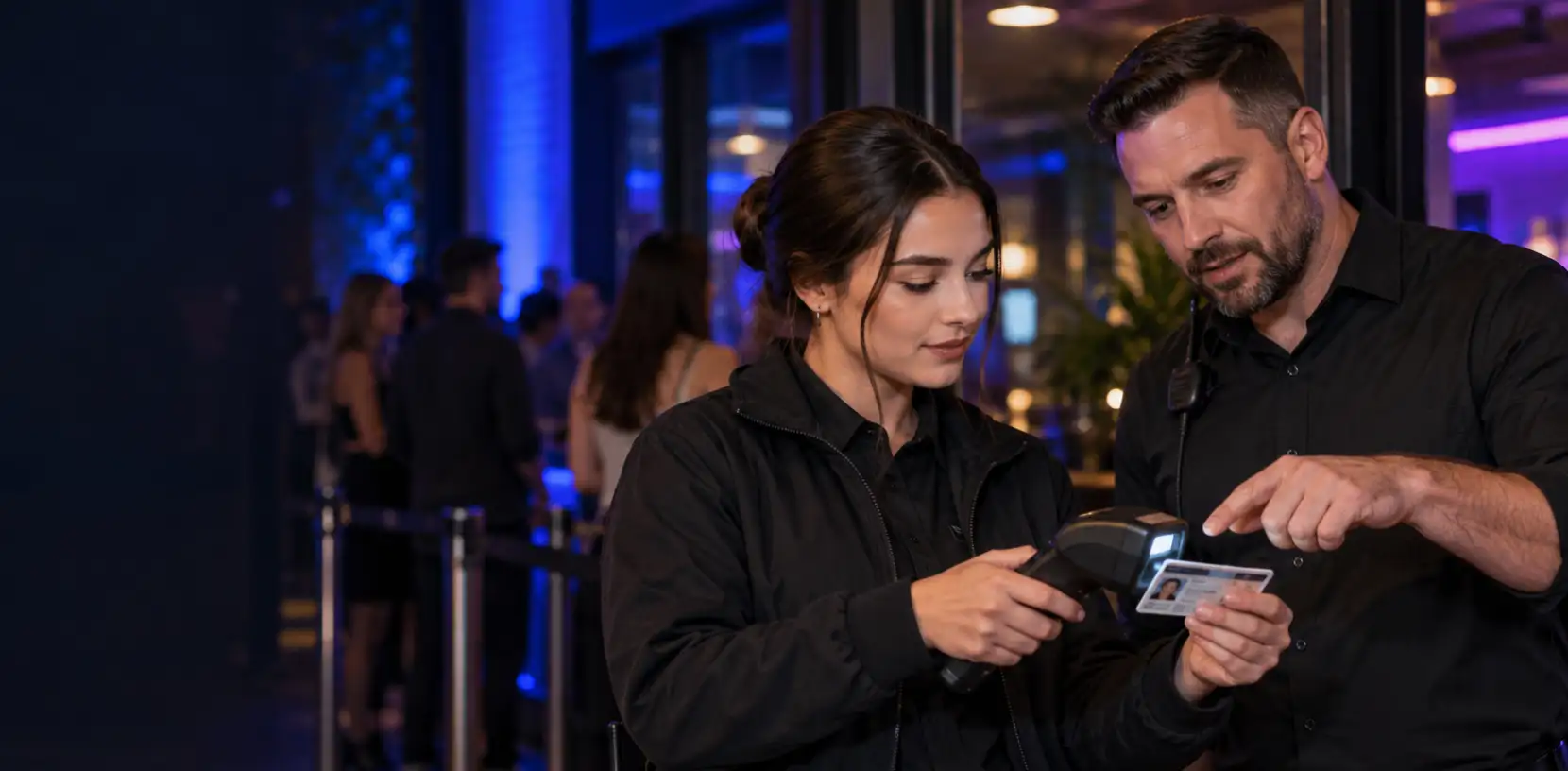
For shipping offices and gatehouses, the Guard+ countertop scanner fits the release desk. For yards and docks, the Handheld scanner lets staff scan a driver’s ID right at the truck.
Peak season is when thieves count on short staffing. Request a demo to see how Patronscan verifies every driver before your freight leaves the dock.
Cargo theft Q3 2026: frequently asked questions
What is a fictitious pickup?
A fictitious pickup is a theft where criminals use deception, such as a spoofed email, phone number or app account, to pose as a legitimate carrier and get a shipment released to them. They made up about 25% of reported incidents in Q3 2026.
Why are cargo theft losses rising when incidents are falling?
Thieves are targeting higher-value loads. The average value per theft rose about 72% year to date, to $448,456, and 19 thefts in Q3 topped $1 million, up from nine a year earlier.
Which states have the most cargo theft?
In Q3 2026, California led with 182 incidents, followed by New Jersey (46), Texas (43) and Illinois (40). Together they made up 57% of incidents.
How can warehouses stop fictitious pickups?
Confirm pickup changes through known contacts, verify every driver’s ID before releasing a load, match the driver to the load tender and keep a timestamped record of each release. Forensic ID scanning adds a check that a visual inspection cannot.
Featured Resources