Florida is introducing redesigned driver licenses and identification cards, with the Florida Department of Highway Safety and Motor Vehicles (FLHSMV) beginning issuance at service centers statewide on September 30, 2026.
The updated credentials feature enhanced security measures designed to strengthen identity verification and combat counterfeit IDs. The new design is also expected to become available for online orders through the MyDMV Portal by early November, according to the agency.
For businesses that rely on ID scanning and age verification, such as retailers, transportation companies, and financial institutions, the update reminds us that identification documents keep evolving—and that effective fake ID detection requires more than checking a card’s appearance.
What’s New on Florida Driver Licenses?
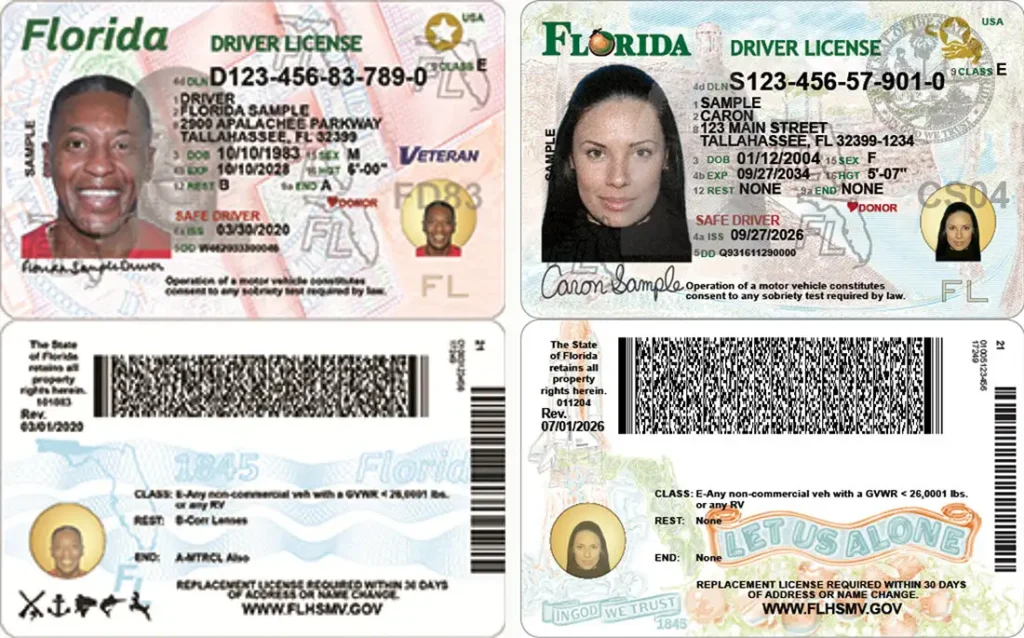
The redesigned Florida driver license and ID card introduce several notable features:
- More security features: The redesigned cards have nearly twice as many fraud protection measures as the previous design, according to reports on the FLHSMV announcement.
- Tactile security elements: Raised text and textures add physical features that can help distinguish authentic credentials from counterfeits.
- UV ink and optically variable features: These security elements provide additional ways to examine a card beyond its standard printed appearance.
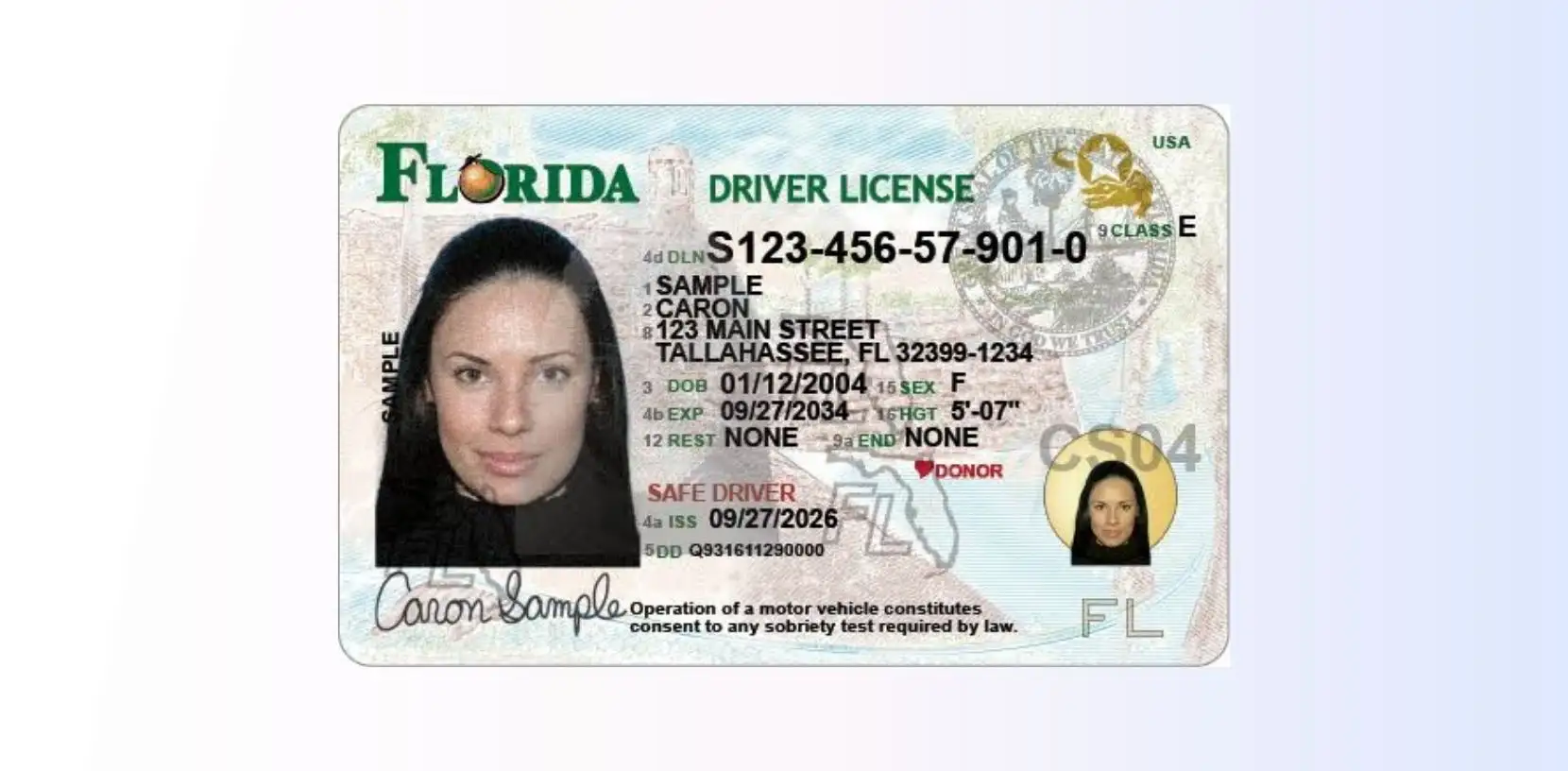
- Updated state imagery: The front features Castillo de San Marcos, a manatee, and an orange incorporated into the “Florida” heading. The back includes Space Shuttle Discovery and the phrase “Let Us Alone.”
- REAL ID star detail: An alligator graphic is incorporated into the gold REAL ID star in the upper-right corner.
- Commercial licensing designation: Qualifying Commercial Driver Licenses (CDLs) and Commercial Learner’s Permits (CLPs) carry a “Temporary Non-Domiciled” designation.
Florida has also retained familiar visual indicators, including color-coded credential headings and a prominent red indicator for cardholders under 21.
For additional details, see the official FLHSMV announcement and its new license design information.
When Will the New Florida IDs Be Issued?
The rollout began at Florida service centers on September 30, 2026. Online orders through the MyDMV Portal are expected to follow by early November.
Importantly, existing Florida driver licenses and ID cards remain valid until their printed expiration dates. Cardholders do not need to replace valid credentials solely because the state has introduced a new design.
Businesses should therefore be prepared to encounter multiple legitimate versions of Florida credentials during the transition. A card that looks different from the newest design should not automatically be treated as fraudulent.
How the New Design Affects Fake ID Detection
Additional security features can make counterfeit production more difficult, but a new design also creates a learning curve for businesses that inspect identification documents.
Employees may be unfamiliar with the updated card layout, while counterfeiters may attempt to reproduce new designs before staff become familiar with their security features. In busy environments, relying on visual inspection alone can make it harder to distinguish a legitimate credential from a convincing fake.
For bars, nightclubs, liquor stores, casinos, and other age-restricted businesses, a consistent ID verification process should include the following checks:
- Document security: Examine relevant security features, including UV and infrared responses when supported by the verification equipment.
- Data consistency: Compare printed information with encoded barcode data and look for inconsistencies that may indicate alteration.
- Age verification: Confirm the date of birth and whether the person meets the applicable minimum-age requirement.
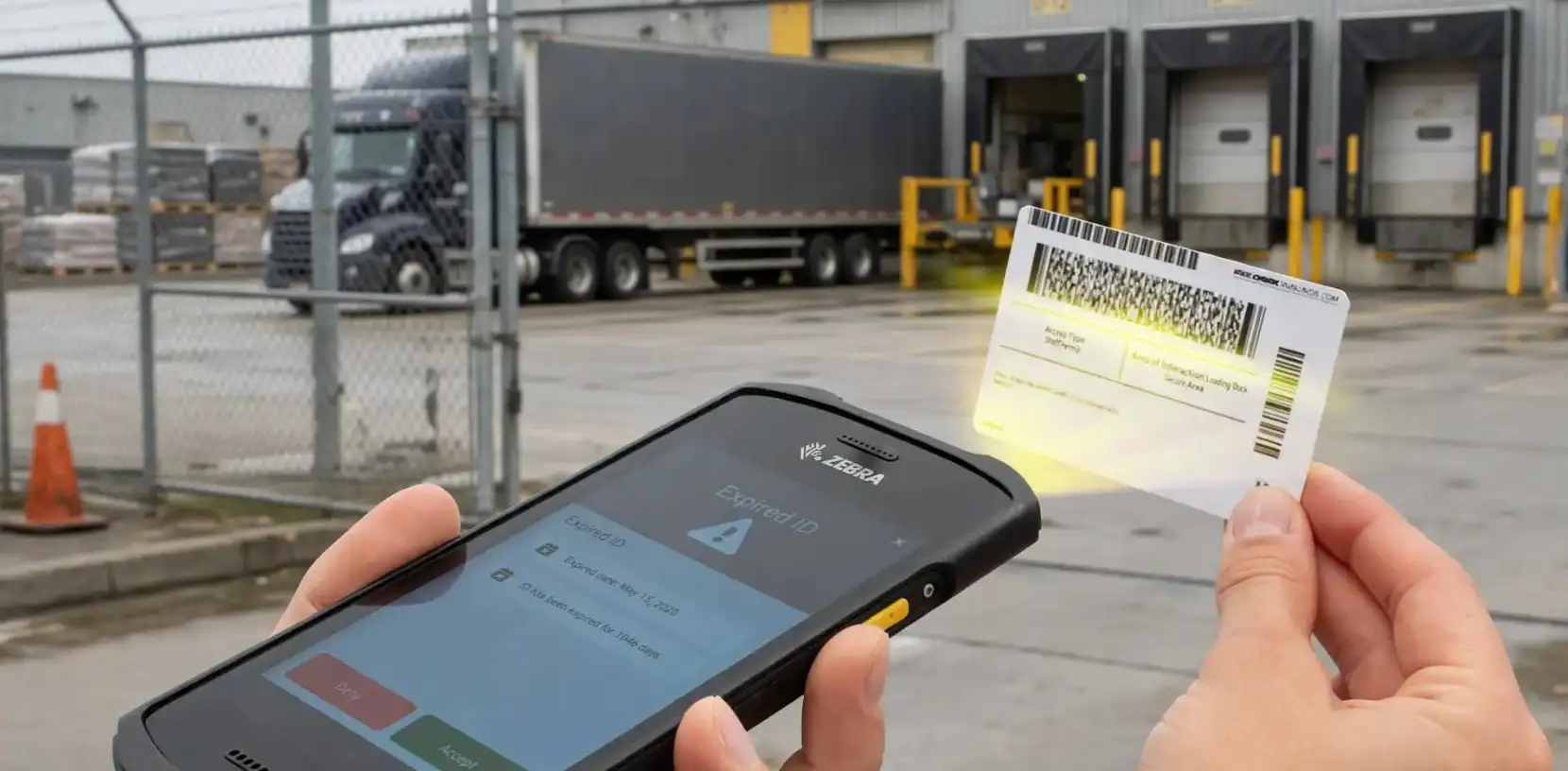
- Expired ID detection: Identify credentials that have passed their expiration date.
- Staff awareness: Train employees to recognize updated ID formats and follow a consistent process for handling suspicious documents.
No single feature guarantees that an ID is authentic. Effective verification combines multiple checks rather than relying on one visual detail or a successful barcode read.
Why ID Scanner Compatibility Matters
When a state updates its driver license design, businesses should confirm that their ID scanning solution can recognize the new format and correctly process its data.
An ID scanner that reads a barcode is not necessarily performing comprehensive document authentication. Depending on the technology, forensic ID scanning can examine additional document features, compare information across the card, and identify inconsistencies that a basic scan or manual inspection may miss.
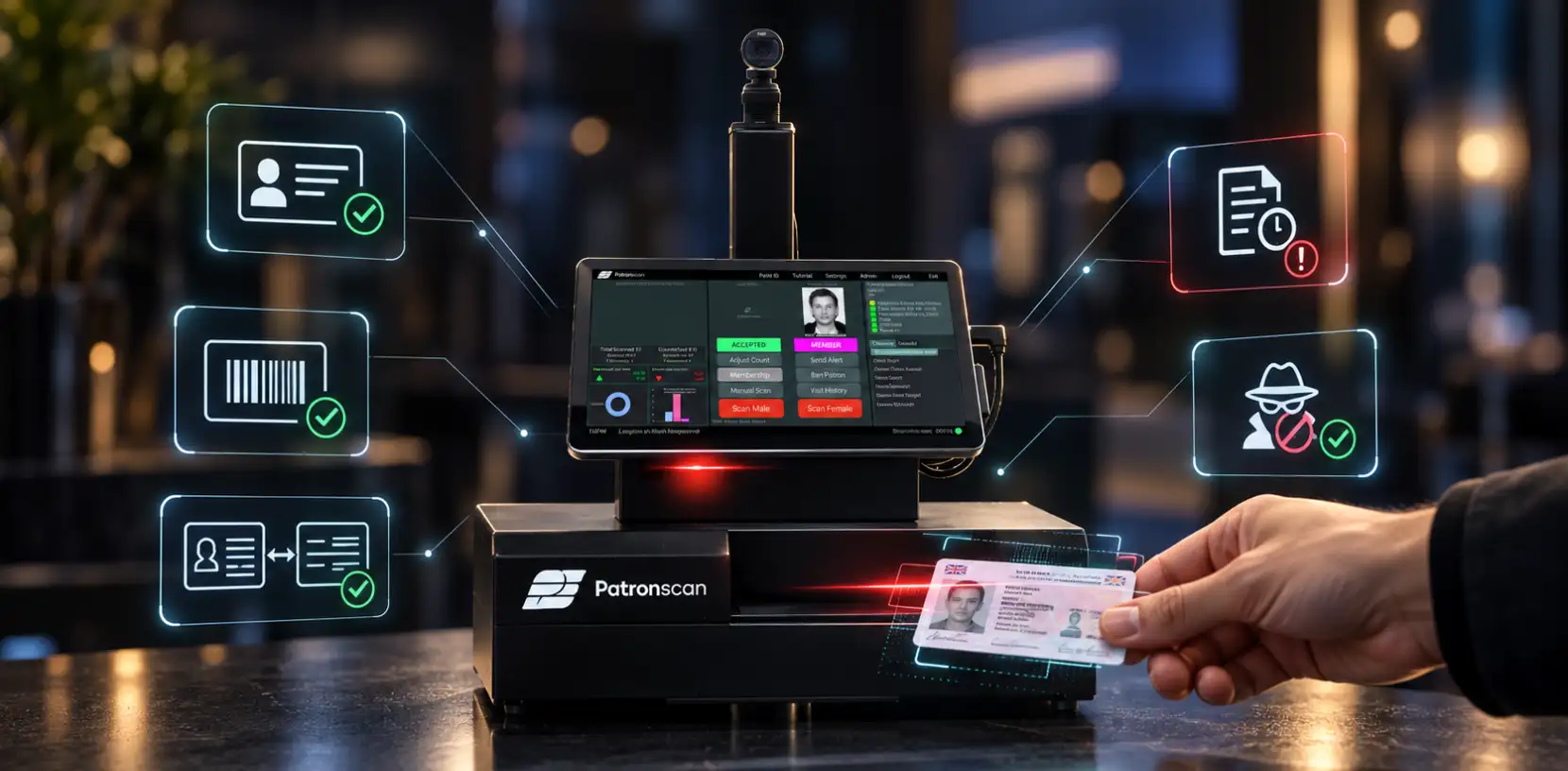
Patronscan’s forensic ID scanning technology performs 8,500+ checks per scan, examining document security features and encoded data. Patronscan’s ID verification solutions use UV, infrared, and white-light scanning to help identify suspicious or altered credentials.
The Patronscan platform also supports age verification, expired ID detection, and recognition of more than 14,000 ID and document types worldwide.
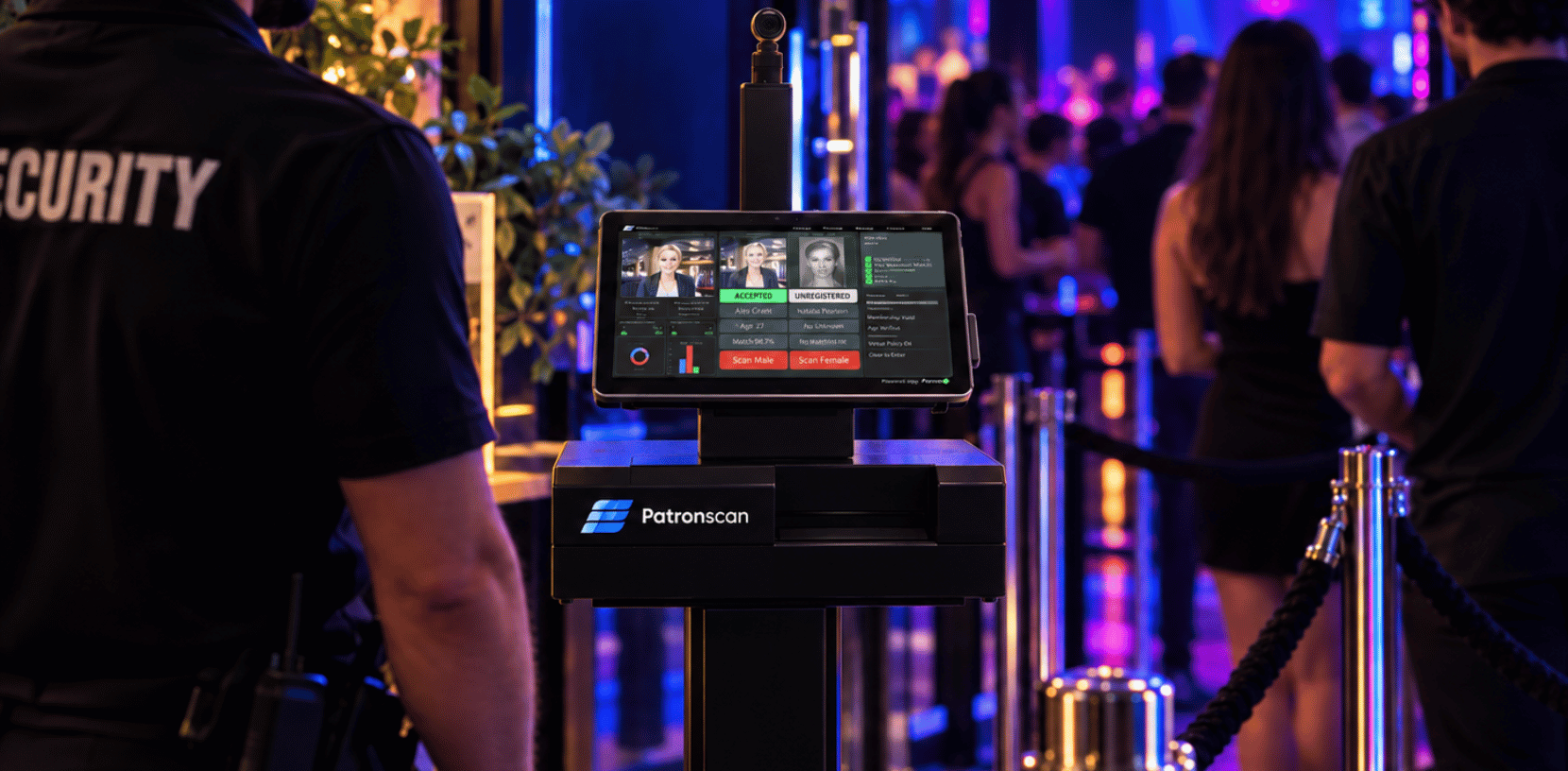
For businesses, these capabilities can help standardize ID checks, support faster decisions at entry points, and reduce reliance on individual employees’ ability to recognize every document format.
What Businesses Should Do Next
Florida’s redesigned credentials provide a useful reminder that ID verification procedures must keep pace with changing document formats.
Businesses that depend on government-issued identification should:
- Review scanner compatibility: Confirm that the updated Florida license format is supported by your ID verification provider.
- Update staff training: Make sure employees know what has changed and understand that older, unexpired credentials remain valid.
- Use multiple verification checks: Combine age calculation, data consistency checks, and available document security analysis.
- Maintain consistent procedures: Establish clear steps for reviewing suspicious IDs without automatically rejecting unfamiliar but valid credentials.
For bars and nightclubs, these practices support more consistent age verification and help protect against fake IDs, underage entry, and compliance risks. Explore Patronscan’s ID scanning solutions to learn how forensic scanning, age verification, expired ID detection, and the Flag Network work together.
Key Takeaway
Florida’s new driver license design introduces additional security features, updated visual elements, and a transition period in which multiple credential designs will remain valid.
For businesses, the priority is not simply learning what the new card looks like. It is ensuring that employees and ID verification technology can recognize legitimate credentials, detect suspicious documents, and verify age consistently.
As ID designs evolve, effective ID verification must go beyond appearance alone.