If you’ve seen headlines about “half of US states now requiring age verification,” you’ve probably wondered whether that changes anything at your door or your point of sale.
Mostly, it doesn’t, but there’s a real shift buried underneath those headlines that does, and it has nothing to do with websites or apps. A growing number of states are deciding that a bouncer or cashier’s glance at an ID is no longer good enough, and are writing electronic, machine-verified checks into law instead. For bars, restaurants, and retailers, that shift from a glance to a scan is part of the 2026 wave that matters.
From “Glance” to “Scan”: The Real Shift at the Physical Door
Age verification at a bar, restaurant, or retail counter for alcohol, tobacco, vape products, or lottery tickets runs on a completely different, and generally much older, legal track than the online wave making headlines: state alcohol and tobacco control laws, most of which predate that wave by decades. What’s changing in that older track is the technology standard some states are now demanding.
Utah’s own alcohol-specific statute, Utah Code 32B-1-407, is the clearest example. It requires electronic age verification at bars and qualifying restaurants for anyone who appears 35 or younger. Not a visual check, an electronic one. In practice, that means running the ID through a device that reads its encoded data (barcode, magnetic stripe, or machine-readable zone) and validates it against the document’s actual security features, rather than a staff member eyeballing a photo and doing birthdate math under bar lighting. That’s not a small distinction: it’s the difference between a law a scanner can satisfy, and a law a glance legally cannot.
Utah isn’t alone in moving this direction, and operators in states without an explicit electronic-verification mandate yet should read this as a preview, not an outlier. The practical question for any physical venue in 2026 isn’t “does a new age-verification law technically apply to me?” It’s: “does my current door process still hold up against where these laws, and the fraud landscape, are both heading.”
Why the Scanner Is the Fix, Not Just the Law
The reason states are legislating electronic verification isn’t abstract. It’s a direct response to how good fake IDs have gotten. We’ve covered this in depth elsewhere: AI-generated “persona kits” and synthetic documents are now built specifically to survive a human glance and, in many cases, a basic barcode-only scan. A visual check was already the weakest layer of a bar’s or retailer’s door process, now it’s the layer fraud is purpose-built to exploit.
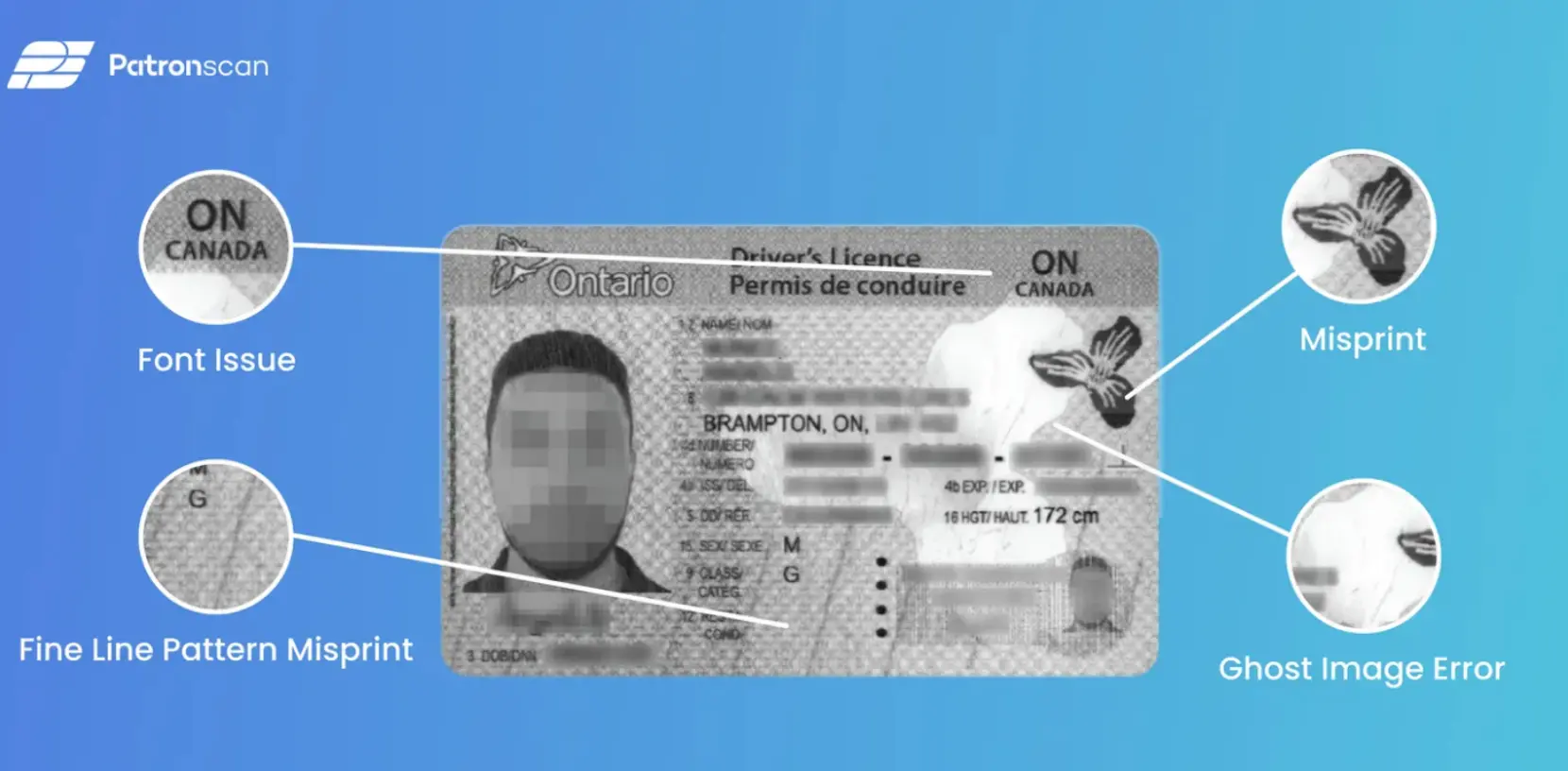
A forensic ID scanner closes that gap in a way a law on its own can’t. It’s the actual mechanism that makes “electronic verification” real: reading the ID’s structure and encoded data, cross-checking it against a library of known document templates, and flagging what a glance would miss, all in the time it takes to hand an ID back across the bar. Whether or not your state has formally mandated this yet, it’s the tool that turns “electronic verification” from a compliance checkbox into something that catches a fake.
The Online Wave Making Headlines Is a Different Story, But It Points the Same Direction
The “25+ states” statistic circulating right now comes from a separate wave of state laws that started with Louisiana’s Act 440 in 2022, requiring age verification for adult content and social media platforms. If your compliance officer is losing sleep over “25+ states now require age verification,” the honest news is that almost none of those specific laws touch your physical register.
That said, the online wave is worth noting for one reason: it shows regulators everywhere converging on the same underlying idea already reshaping the physical door: that a self-reported claim or a quick visual glance isn’t a real check anymore, and that technology-verified age determination is what the law is starting to expect by default, online and off.
Utah’s SB 142 and the FTC’s February 2026 Move: More of the Same Signal
Two more data points reinforce that direction, even though neither one is a law about walking into a bar. Utah became the first state to pass legislation requiring app store providers to verify users’ ages and block minors from downloading apps or making in-app purchases without parental consent, under S.B. 142, the App Store Accountability Act. App store providers and developers have until May 6, 2026 to comply, and the law’s private right of action takes effect December 31, 2026 (Utah has already amended the law once via HB 498, and the CCIA has sued the state over it).
If you run a loyalty, ordering, or delivery app, that’s a distinct compliance track worth watching separately from your in-person process, but the pattern it reveals is the same one showing up at the door: verification is moving earlier and getting more technical, not staying visual and getting looser.
On February 25, 2026, the FTC issued a policy statement announcing it will not bring COPPA enforcement actions against operators that use age-verification technology responsibly, with the Bureau of Consumer Protection Director calling age verification technologies “some of the most child-protective technologies to emerge in decades.” It’s a federal signal, not a mandate for your door, but it’s one more confirmation that every level of government is rewarding verification technology over a glance-and-a-nod approach.
The Plain-Language Checklist for Bars, Restaurants, and Retailers in 2026
Cutting through all the above, here’s what applies to a physical venue right now:
- Move from visual checks to forensic, document-level scanning at the point of sale. This is the change that matters most, regardless of whether your state has formally mandated electronic verification yet. An ID check that relies only on a bouncer’s or cashier’s eyes is the layer most exposed to today’s fraud landscape, and it’s the layer several states are now writing out of the law entirely.
- Confirm which law actually governs your door. If you sell alcohol or tobacco, your ID-check obligations come from your state’s alcohol/tobacco control statutes, not the online age-verification wave making headlines. Check whether your state has moved those older statutes to an electronic verification standard, the way Utah has under 32B-1-407, rather than assuming a visual check still satisfies the law.
- Don’t assume the “25+ states” headline applies to you. Unless you’re operating a website or app with adult content or a social media component, the current state wave targeted by those specific laws almost certainly doesn’t reach your physical register.
- Separate your app from your storefront. If you run a branded ordering, loyalty, or delivery app, watch state-level app store age-verification requirements (the SB 142 model) as a distinct compliance track from your in-person ID checks — different obligations, different timelines, different regulators.
- Treat retention and data handling seriously, regardless of which law technically applies. The FTC’s February 2026 posture, rewarding operators who limit use, delete promptly, and secure the data, is a good baseline to hold yourself to even where it isn’t legally mandated yet, since it signals where enforcement priorities are heading.
The Bottom Line
The headline-grabbing part of the 2026 age-verification wave is mostly a story about websites and app stores. The part that actually matters for a physical venue is smaller, more specific, and squarely about hardware: states are increasingly requiring what a scanner does, and a glance can’t, and the fraud landscape is making that gap more dangerous by the month. Getting ahead of it means moving from a visual check to document-level, forensic verification at the door, not because a law necessarily requires it in your state yet, but because it’s the only version of “checking ID” that still works.
Want a physical ID scanner built for exactly this shift? Book a demo or explore Patronscan’s ID scanner for bars and clubs to see forensic, document-level age verification in action at the door.