We welcome media inquiries and believe transparency and open conversation leads to better public understanding of how our technology works. Below is our record of this inquiry, the questions we received, our responses, and a quick fact check of the published article as it relates to Patronscan.
| Publication Name
SF Gate |
Method of Contact
|
| Date Contacted
23 June, 2026 |
Contact Name
Lizzy Rager, Editorial Intern |
Questions & Responses
Questions are listed as received. Our responses below are the complete, unedited text of what we submitted.
Q1: How many venues are subscribed to the flag network in San Francisco? Can you subscribe to the flag network but not use the Patronscan devices at your venue?
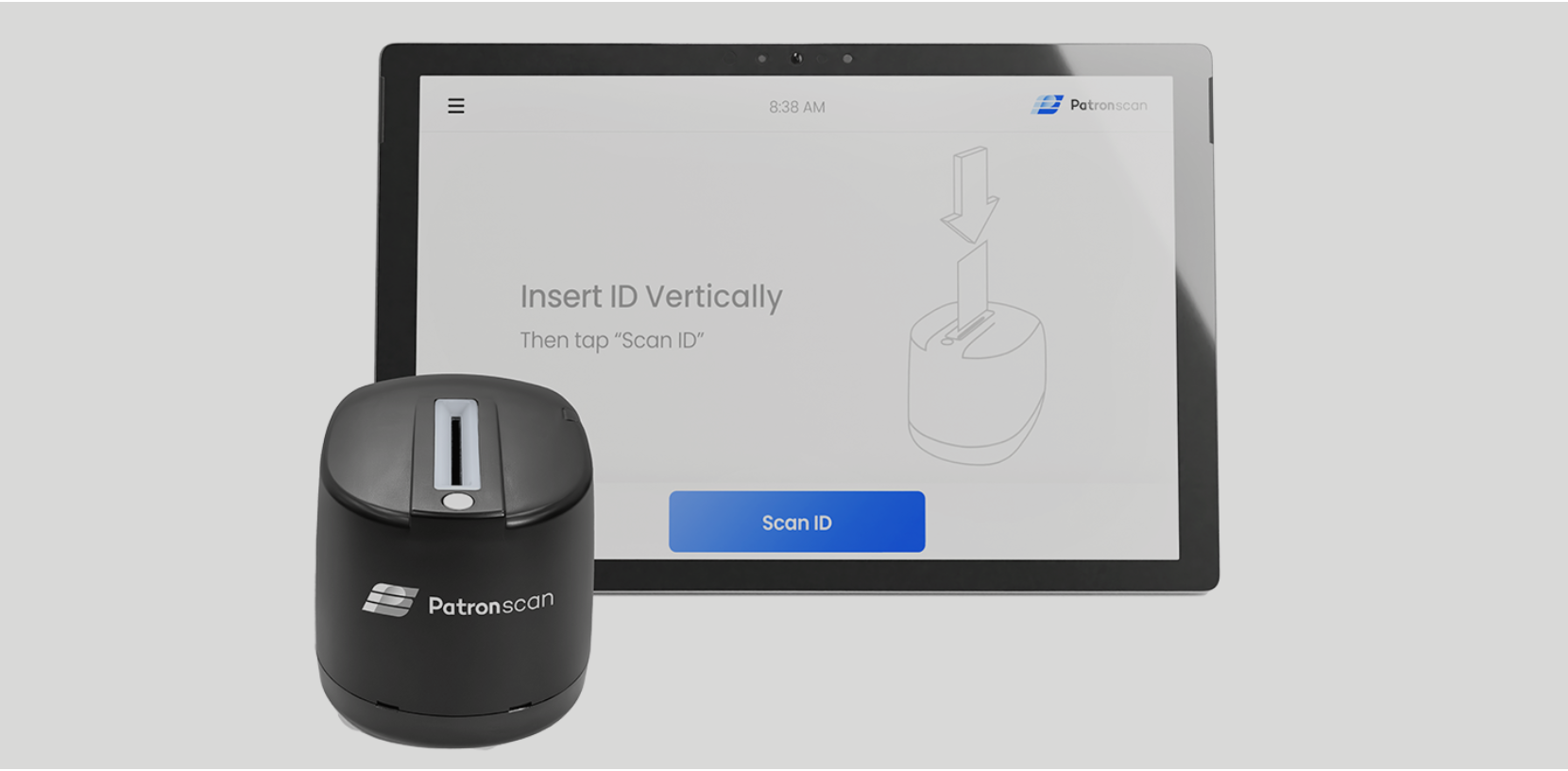
We currently have 8 venues subscribed to the public flag network in San Francisco. You cannot subscribe to the flag network without using a Patronscan device, however you can use a Patronscan device without subscribing to the flag network.
Q2: Does Patronscan’s North America technology create reports about consumers, like reporting demographics, average household size, and average household income of the locations customers are coming from?
We no longer produce Public Safety Reports or any public consumer reports. Clients on our Complete plan do have access to some venue-level reporting, which includes anonymized information such as % gender split and average age of guests (no DOB), as well as whether guests are local (zip code on ID matches the venue’s zip code) or out of town (zip code on ID differs from the venue’s zip code). No information is ever produced through reports where an individual can be identified, and any additional demographic data is based on publicly accessible sources such as US census data.
Q3: Furthermore, what is contained in consumer reports? If not for California, Is this still available for other states?
We do not produce public consumer reports. The venue-level reporting described above is accessible only to Admin level users at the subscribing venue for their own guests, is not shared publicly or across our flag network, and is based on fully anonymized, aggregate information.
Q4: Patronscan’s latest statement says the device takes a photo, without using facial recognition technology, that bouncers can compare with the ID. What is the effective function(s) of having the photo in the system if it doesn’t have an apparent verification function?
The live photo – which is permanently deleted after the data retention period is complete – serves several practical functions, none of which involve facial recognition technology. Some examples:
- ID “Passback” prevention: If the same ID is scanned more than once on the same day, the photo helps ensure that the person presenting it is the same individual each time. This helps prevent IDs from being shared between people to circumvent compliance requirements such as age verification, or venue rules such as flagged patron restrictions.
- Identity confirmation: It provides proof that the person presenting the ID was the same person pictured on it. For example, if a chargeback dispute arises, the venue can confirm whether the cardholder was present, or support an individual claiming their card was used without their knowledge.
- Accurate flagging: Most incidents that lead to a flag being placed occur after the person has presented their ID and entered the bar – there isn’t always an opportunity for staff to reconfirm ID while dealing with an incident. If bar staff have to review their scan history for the night to try and identify someone involved in an incident, an ID photo may not reflect how someone currently looks. People change their hair, facial hair, weight, or may be wearing glasses or a hat, etc. A live photo ensures that a flag is attached to the correct person and reduces the risk of a flag being incorrectly matched to someone else.
- Criminal investigations: In the event of an assault or similar incident, a victim may not know the name of the person involved, only a physical description. The live photo supports accurate identification when it’s needed most.
Q5: How does Patronscan handle law enforcement requests for data?
We have a strict information extraction process for law enforcement requests. To receive any data, an officer must first request to be set up as a user in a dedicated secure portal – this involves providing proof of authority and jurisdiction. Each information request must be submitted separately, must be for a specific venue or person within a set date range, and must include proof of an active ongoing investigation including a specific case number, and a formal protective order for any long-term data retention requests. All requests are handled through a dedicated secure portal, and no data is transmitted via email. Our Master Service Agreement with all clients includes instructions for reporting law enforcement requests to Patronscan and redirecting information requests to our Privacy Office.
Q6: Have other government agencies like the Department of Homeland Security requested information from Patronscan? How does the company handle those requests?
We have never received an information request from the Department of Homeland Security, or other such government agencies. Any such request would be handled through the same process described above: we would require confirmation of a legitimate purpose such as an active criminal investigation with appropriate production or protection orders as needed, and verified proof that the requesting officer is entitled to receive the information.
Q7: Can you tell me which specific venues in San Francisco use Patronscan? How many venues use just the device and not the flag network?
As a private business, we don’t publish specific client lists by venue name. All venues utilizing Patronscan will have clear signage on or near the scanner, and/or posted at the door, indicating they are part of our network.
Q8: Also, to be clear, have you had any requests from law enforcement agencies related to immigration enforcement?
We have not received any information requests relating to immigration enforcement.
Q9: One additional question: what information is included in the venue level reports, including the specific census data you are referring to?
As outlined in our previous response, venue-level reporting contains fully anonymized, aggregate information only. This includes % gender split, average age of guests, and local vs. out of town breakdowns based on zip code. Additional demographic context (average household size and income) is shown separately and is drawn from publicly accessible US census data cross-referenced across the 20 most-common zip codes currently reporting at that venue. No individual can ever be identified from these reports, and they are accessible only to Admin level users at the subscribing venue.
One more thing we’d like to be clear on, because we think it matters: the most persistent misconception in recent coverage is that Patronscan is a facial recognition system or that we collect biometric data. Neither is true for our North American product. We understand why people have concerns about technology and privacy; those are legitimate conversations worth having and we take our part in them seriously. But when inaccurate claims circulate without correction, it makes the conversation harder for everyone, including the small, independent venues that invest in tools like ours because they want their spaces to be safer.
Fact Check
The resulting article from this inquiry was published on June 27, 2026. The following Fact Check is only relating to statements directly relating to Patronscan, our technology or our operations. We’re not commenting on the broader article, its sources, or unrelated claims.
| AS PUBLISHED | PATRONSCAN’S CLARIFICATION |
| “Private flags need no reason” | All flags entered into the Patronscan system – whether Private or Public – require a reason and severity to be associated. This information is reviewed by the Patronscan privacy team during any Flag Dispute investigation. |
| “Owned by Ontario, Canada-based Servall Data Systems” | Servall Data Systems is our legal name but we operate as Patronscan; we are an Alberta based business. |
| “Servall settled the suit in 2024 for an undisclosed amount” | We have publicly disclosed the settlement amount here. |
| “The average ban time of Patronscan venues was 19 years, according to the public safety report.” | The Public Safety Report previously calculated average ban length using historical Private Venue flags where “lifetime” flags were represented as 99-year flags in reporting. Because those private flags heavily weighted the calculation, the reported 19-year average appeared much higher than the average for public flags. Patronscan no longer supports 99-year Private Venue flags, and in 2019, Private Venue flags were updated to a maximum of 5 years, and Public Flags are a maximum of 1 year. |
We understand that news reporting is a challenge of gathering and presenting a large amount of information in a short, readable format. We publish all media responses here so you can read exactly what we said, in full. We believe open, fact-based conversation is the best way to promote understanding of our technology and the role it plays in venue safety. If you have questions or would like to speak with us directly, we’d love to hear from you at media@patronscan.com.