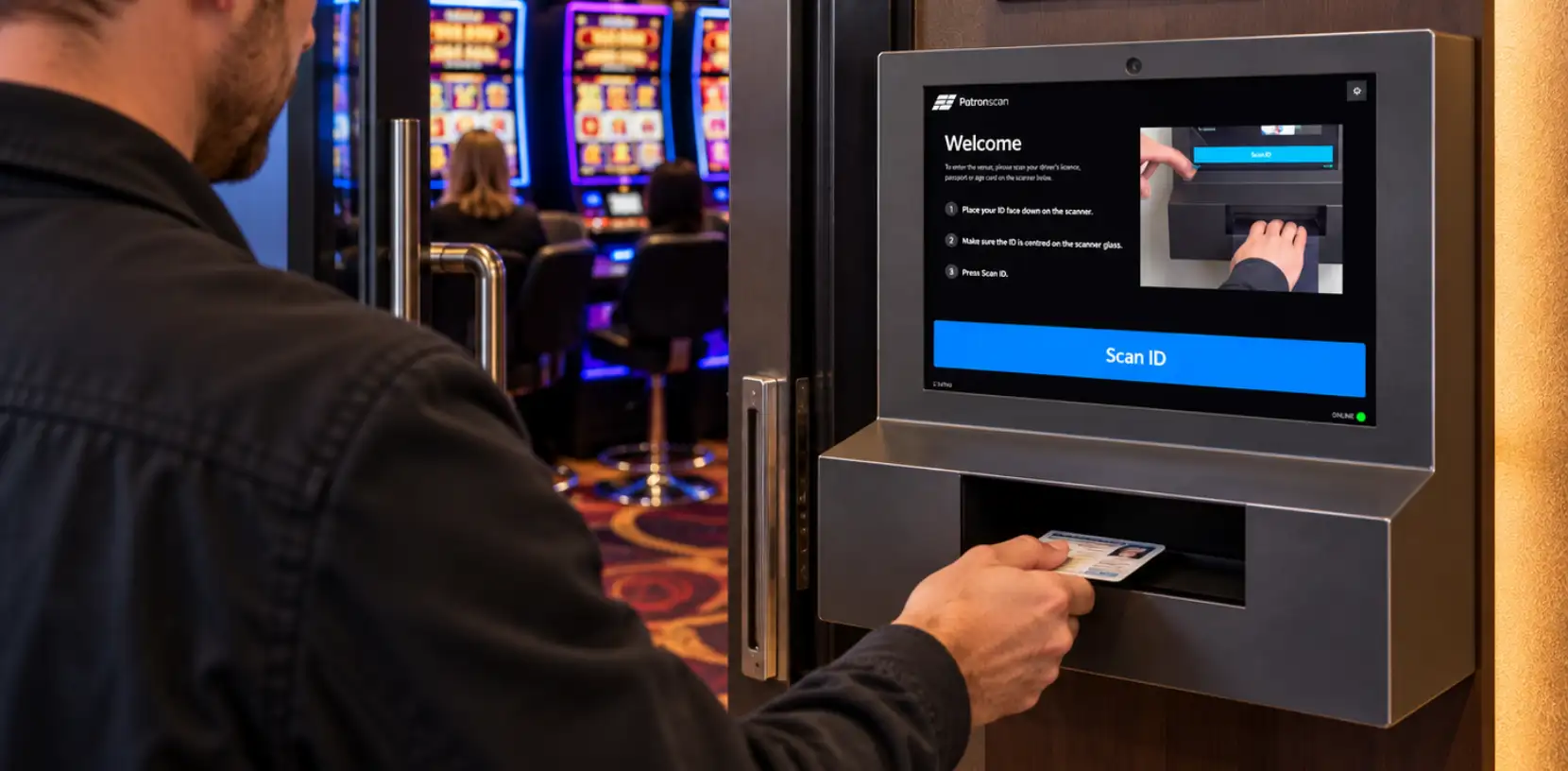
ID verification for gaming confirms that every player is who they say they are and old enough to play. In a gaming room it happens at the door. On an online gaming platform, it happens during player onboarding. Either way, identity verification helps venues keep underage users out, honor self-exclusion, prevent fraud and meet compliance requirements set by each regulator.
This guide covers how ID verification works across land-based venues and online play, which rules drive it, and what to look for in an ID verification system.
Why ID Verification for Gaming Matters
The gaming industry is one of the most heavily regulated age-restricted businesses. Identity verification supports almost every part of a compliant operation:
- Age verification: Age verification in gaming keeps minors out of gaming environments, whether that’s a casino floor or a sports betting app.
- Responsible gaming: Match each player to self-exclusion lists and internal watchlists.
- Fraud prevention: Stop a fraudster using a stolen identity, a fake ID or someone else’s payment method.
- Anti-money laundering (AML): Know your customer (KYC) before large transactions.
- Safety and records: Keep an accurate log of who was present if an incident happens.
What the Rules Require: Regulatory Requirements by Jurisdiction
Regulatory requirements differ across many regions, but they share one theme: operators must verify identities before the risk shows up. A few examples:
| Jurisdiction | What operators must do |
| United States (FinCEN) | Casinos and card clubs with over $1 million in gross annual gaming revenue fall under the Bank Secrecy Act. They report cash activity over $10,000 and confirm identity with an unexpired government-issued document such as a passport (FinCEN guidance). |
| United States (state regulators) | All 38 jurisdictions with commercial gaming require operators to run self-exclusion programs, and most keep a central register (American Gaming Association). |
| Ontario, Canada | Since the iGaming market opened on April 4, 2022, operators must confirm a player’s identity during onboarding, when a new player creates an account (Entrust). |
| United Kingdom | Since May 7, 2019, online gambling operators must verify a customer’s name, address and date of birth before the customer can deposit or play (Pinsent Masons). |
| EU | Gambling providers must apply customer due diligence on stakes or winnings of €2,000 or more under the EU Anti-Money Laundering Directive. |
The AGA Responsible Gaming Code of Conduct also lists age verification as a core consumer protection. Operators in multiple countries must comply with each regulator’s rules, so a configurable process helps them remain compliant everywhere they hold a license.
The Age and Identity Verification Process in a Gaming Room
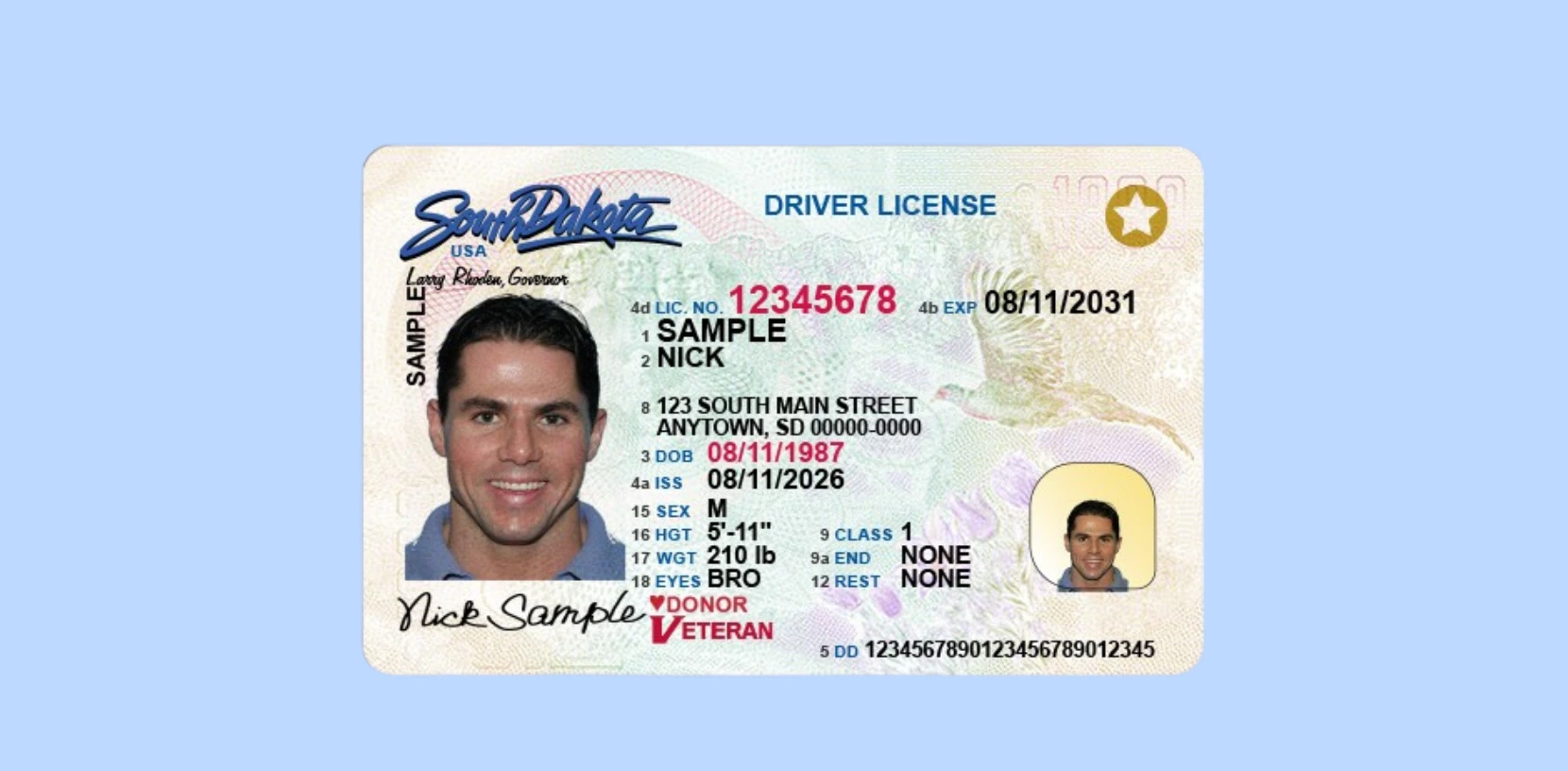
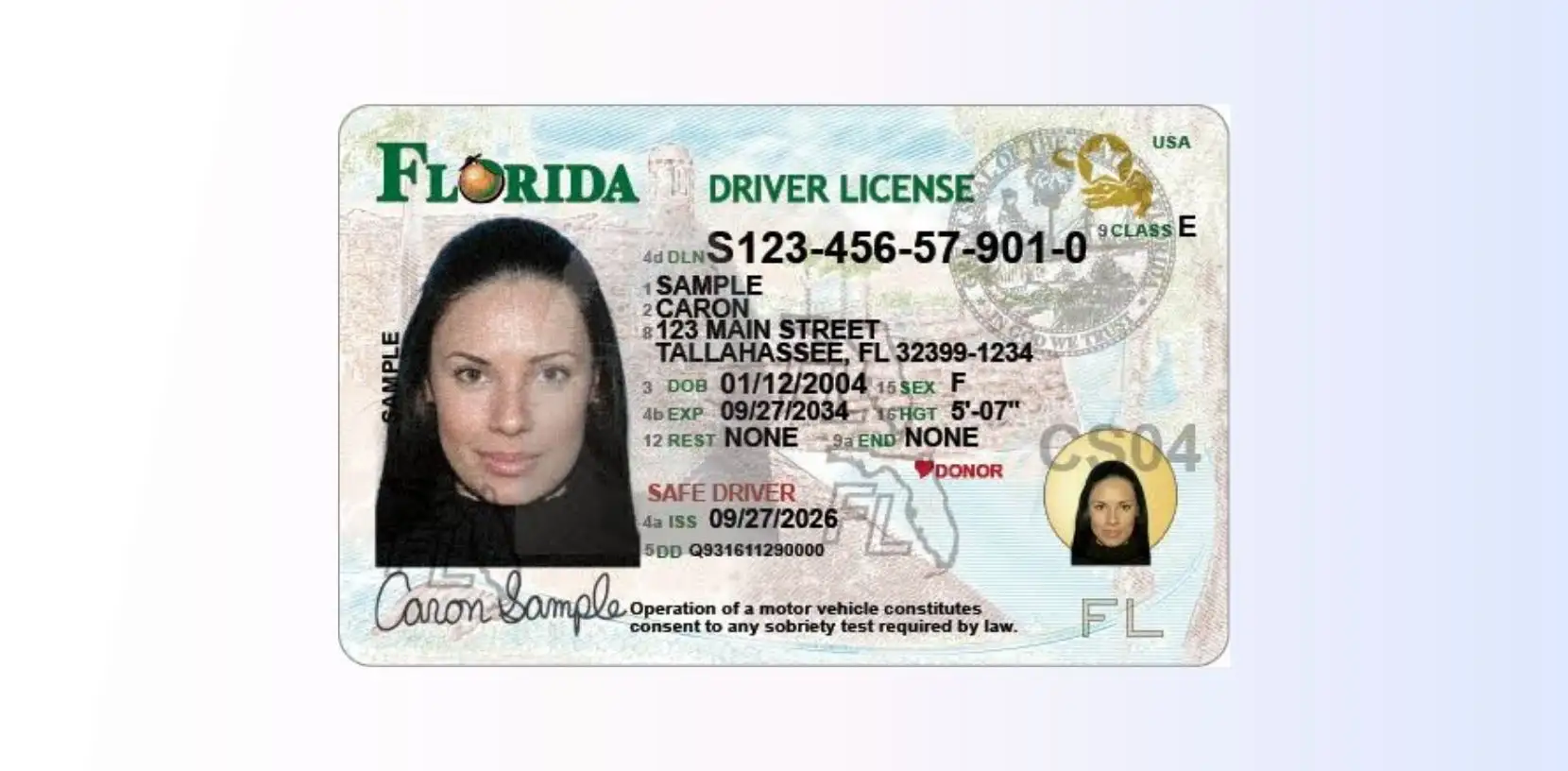
In a land-based venue, the player is physically present, so staff can check identification at the door. Looking at a license by hand depends on the employee’s experience and attention. Gaming rooms that use an ID scanner gets a faster, more consistent verification process:
- The guest presents a driver’s license or other government-issued ID.
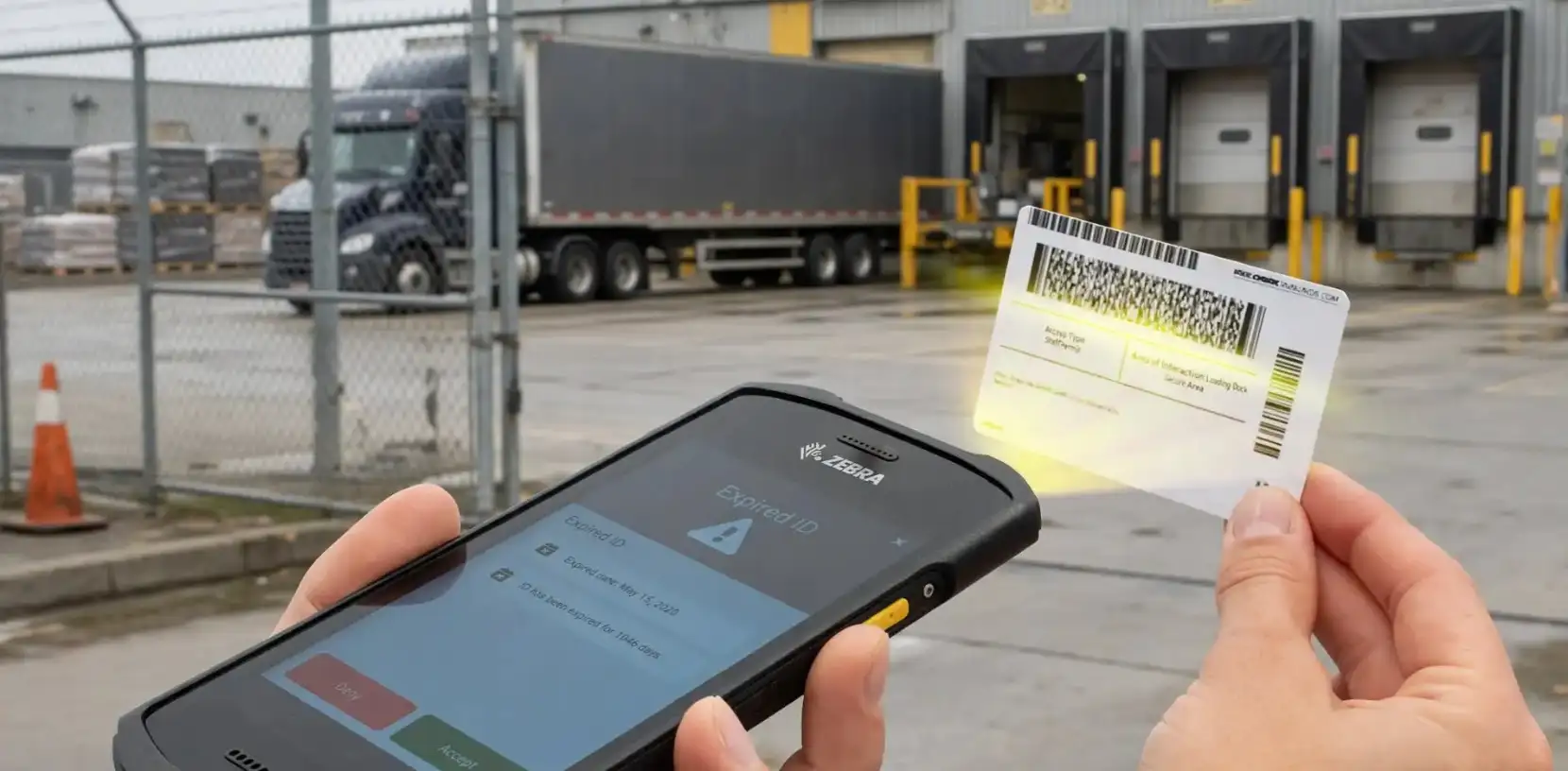
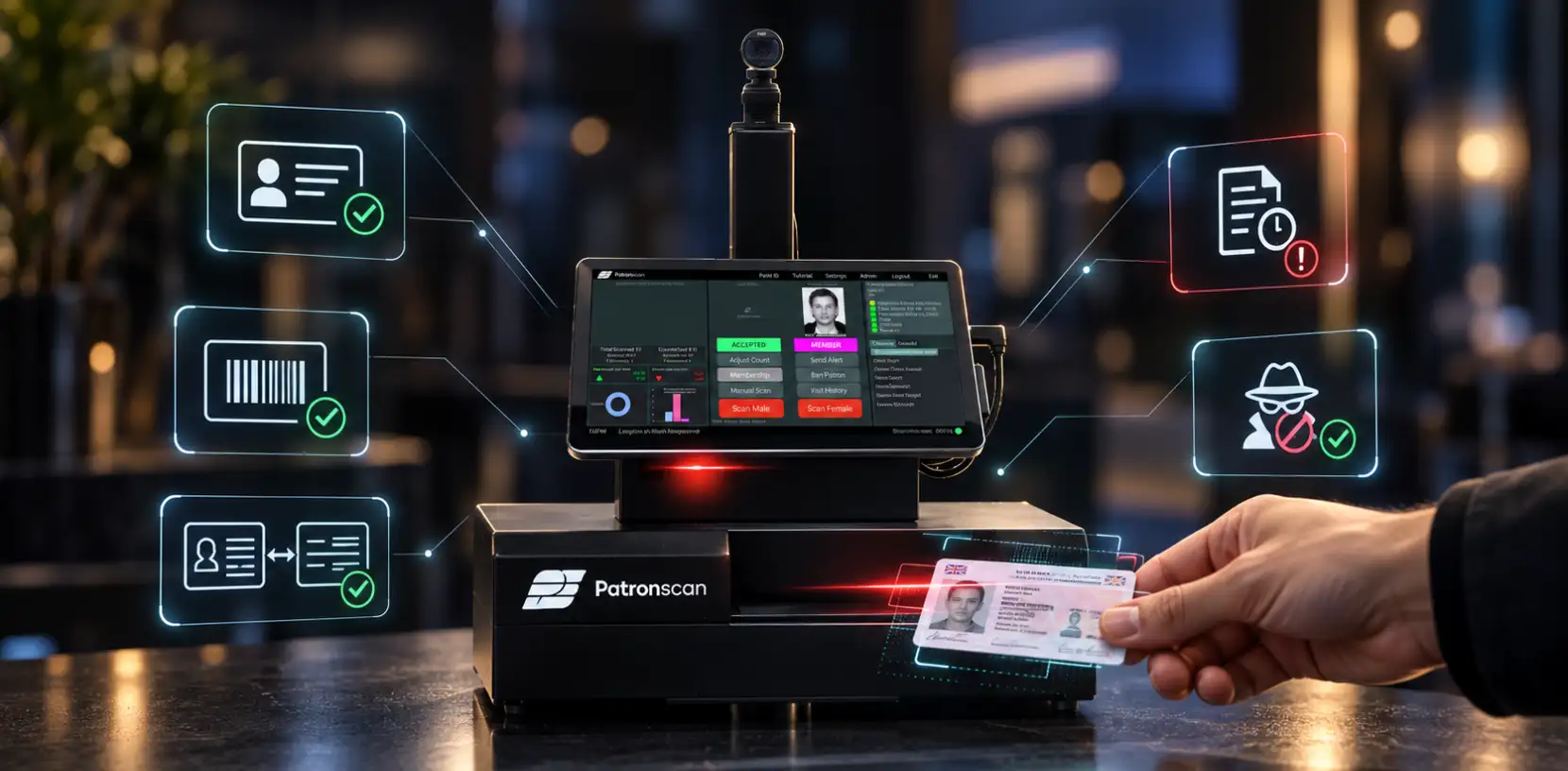
- The scanner reads the barcode and runs fake ID detection on the card’s security features.
- The system confirms the guest’s identity, checks their age and screens them against self-exclusion and banned lists.
- Staff get a clear pass or fail result in real time, and the visit is recorded.
Staff verify the identity of every guest the same way, every shift. A scanner doesn’t replace staff judgment, but it gives employees more information before they decide. It also frees them to watch the floor and help guests instead of studying every card.
Managing Entry at Unmanned Doors
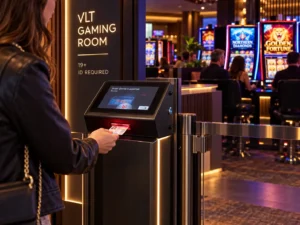
Some systems can also control a doorway without a staff member standing there. Patronscan connects to access control equipment: a guest scans their ID, the system completes the required checks, and the door unlocks only if the person meets the entry rules. This works well for:
- Low-traffic side entrances
- Extended or overnight hours
- Locations where staffing every doorway isn’t practical
Unmanned entry still needs clear rules, monitoring and a plan for when a guest needs help or a card can’t be verified.
How KYC and Identity Verification Work in Online Gaming and iGaming Onboarding
Online gaming is different because the player is never in the room. Many regulators now require online gaming platforms to verify identity and age before play. The iGaming industry uses a layered identity verification flow during player onboarding:
| Verification method | What it confirms |
| Document verification | The government-issued ID is genuine and not altered |
| Liveness and biometrics | A real person is holding the phone or mobile device, not a photo or spoof |
| Database verification | Name, address and date of birth match trusted records in a real-time check |
| Watchlist screening | The player isn’t self-excluded, sanctioned or flagged for suspicious activity |
Good iGaming operators design workflows that are risk-based: light checks for most players, with step-up checks when a transaction passes a threshold or something looks wrong. A smooth onboarding process means less friction and a better user experience, which improves the whole player journey.
KYC checks like these help platforms meet AML rules, and a fast identity verification step keeps the player experience smooth.
Land-Based vs. Online ID Verification for Gaming
| Factor | Gaming room or casino | Online gaming platform |
| When it happens | At the door or cage | At account sign-up and before deposits |
| Player present? | Yes, in person | No, remote on a mobile device |
| Main tools | ID scanner, access control | Document checks, liveness, database checks |
| Biggest risks | Fake IDs, banned guests | Stolen identities, bonus abuse, deepfakes |
| Records | Entry log per visit | KYC file per account |
Benefits of Digital ID Verification for Gaming Operators
- Faster decisions: Automated identity verification runs checks instantly, so lines move and staff aren’t buried in manual reviews.
- Consistent compliance: The same rules apply on every shift and at every location, which supports maintaining compliance and defensibility in an audit.
- Better records: Managers can review real-world entry data instead of relying on memory or handwritten notes.
- Stronger fraud prevention measures: Each confirmed identity ties a person to a visit or transaction.
- Better gaming experience: Less friction during onboarding for legitimate players, and a safer floor for everyone.
Privacy, Compliance and Data Protection in Identity Verification
Identity verification involves personal information, so privacy is both a regulatory and a compliance issue. A compliant system should be clear about:
- What data the scanner or platform collects, and why
- Where it’s stored and who can access it
- How long it’s kept and when it’s deleted
- Which privacy notices guests or users must receive by law
- How users’ personal details are protected in transit and at rest
Collecting more isn’t always better. A good system collects only what the job requires.
How to Choose an ID Verification Solution and Workflow for Gaming
Not every venue or platform needs the same tools. A small gaming room has different needs from a casino with several entrances or an online sportsbook. Use this checklist when comparing each vendor:
- Speed of each check at peak times
- Advanced ID authentication and fake ID detection
- Self-exclusion and restricted-person alerts
- Reporting and audit trails for regulatory compliance
- Privacy controls and data retention settings
- Configurable rules for each jurisdiction
- Integration with access control or your current process and workflow design
- Support, training and ease of use for staff
The best identity verification platform is the one that fits the real risks and workflow of your location and helps you meet compliance obligations without slowing players down.
The Bottom Line on ID Verification for Gaming
ID verification helps gaming operators confirm age, detect fake IDs, honor self-exclusion, reduce fraud and keep accurate records. For gaming rooms and card rooms, Patronscan’s ID scanners and access control help you onboard players at the door quickly and keep the wrong people out. To see how it works in your venue, book a Patronscan demo.