However, one detail stood out. Most retailers now operate with “no chase” guidance. Staff are discouraged, or explicitly forbidden, from pursuing suspected shoplifters. Security guards are told not to physically intervene with shoplifters because it can escalate quickly into violence. And when something does happen, the store is expected to document the incident and report it to police after the fact.
On paper, this makes sense. We absolutely should avoid putting workers in harm’s way. No product is worth an injury.
But there’s a problem: “No chase” and “just report it” are not a shoplifting strategy. They’re a liability and safety strategy.
They might reduce the risk of violent confrontation, but they do almost nothing to prevent the theft itself, when organized and opportunistic theft are both on the rise.
So the question to keep coming back to is, if we believe that staff shouldn’t chase (they shouldn’t), and we know police can only respond to so much, how do we reverse the retail shrink trend?
Make Intervening Harder
Right now, the reality for many retailers looks like this:
- High-value or age-restricted products are on shelves or behind simple locks.
- Staff and security are told not to chase, not to touch, not to escalate.
- Theft is documented, sometimes reported, and then mostly absorbed as a cost of doing business.
Security guards are often put in an impossible position. If they intervene too strongly, they risk complaints, liability, or physical harm. If they don’t intervene, they’re seen as ineffective.
The result is a system where theft is easy, intervention is discouraged, and consequences are slow, inconsistent, or unlikely. The combination has only increased the pace and metrics related to retail shrink.
We don’t believe that’s sustainable, especially during the holiday season, when stores are crowded, tempers are shorter, and the volume of theft often increases.
What If We Changed the Question?
Instead of asking: “How do we stop someone who is already walking out with product?”, let’s ask, “How do we make it much harder to shoplift that product in the first place?”
For certain high-risk categories like alcohol, age-restricted products, jewelry, and other high-value items, we already accept that access should be controlled. The challenge has been how we control it and take back the narrative on “retail shrink”.
- Lock-and-key systems slow down staff and frustrate genuine customers.
- Manual approval for every single request doesn’t scale in a busy environment.
- Guards at the door or aisle can’t be everywhere at once.
This is exactly where we see technology, like Patronscan, making a meaningful difference and there is considerable evidence and case-studies showing how retail shrink is reduced up to 97% when implementing the technology.
Verified Access Instead of Open Targets
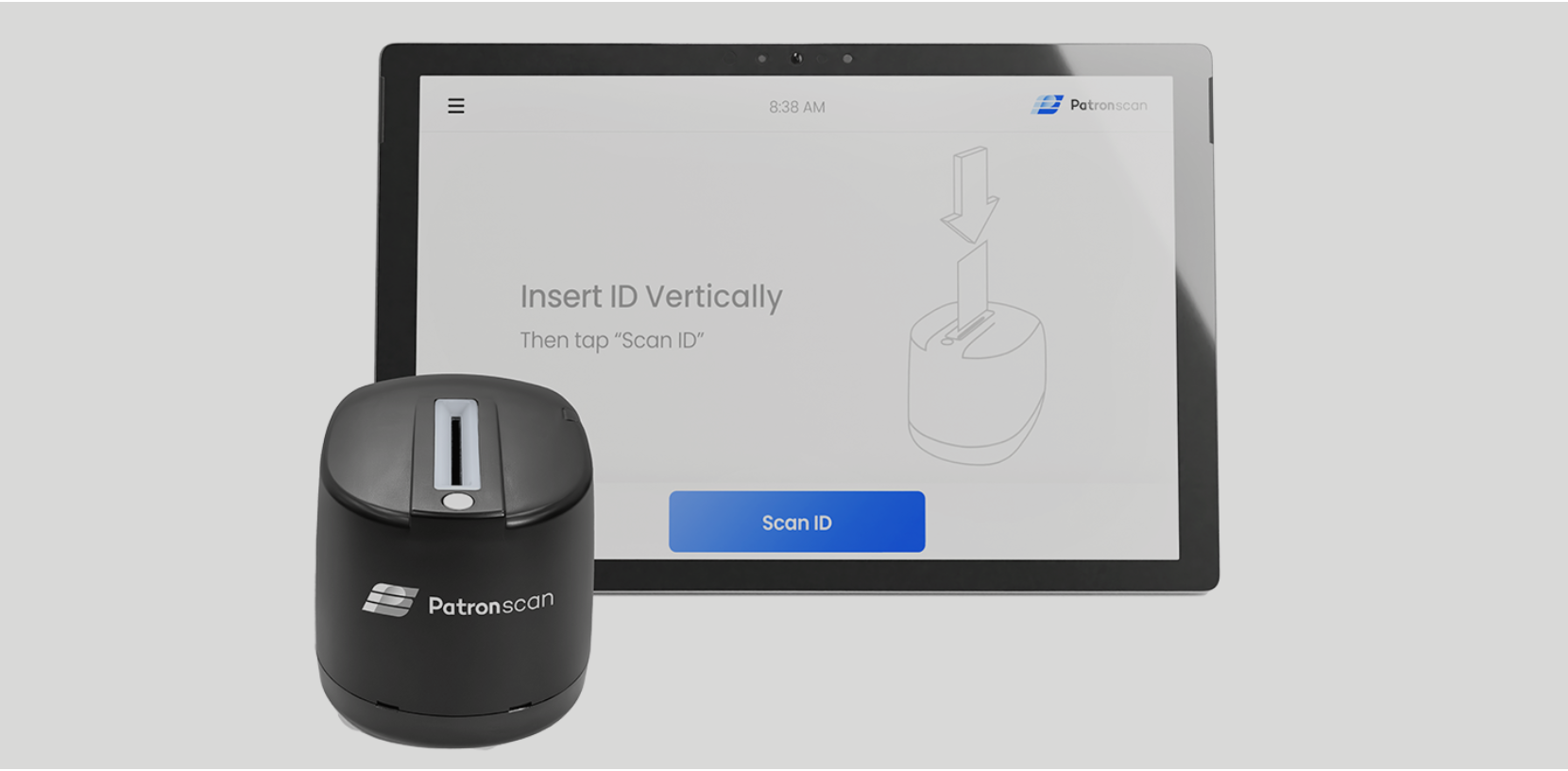
With Patronscan IVAC (Identity Verification Access Control), our vision is simple: to tie access to real identity and intent, not just to whether a cabinet happens to be locked.
In practice, it looks like this:
- High-risk products are secured behind an access-controlled cabinet, cooler, or door.
- A customer walks up and scans their government-issued ID using a Patronscan device.
- We verify that the ID is valid, and that the customer is of legal age, where required.
- If everything checks out, the system grants access to the product.
In that moment, you’ve done something important:
- You’ve turned an anonymous “grab-and-go” shoplifting opportunity into a verified interaction.
- You’ve signalled that the product is controlled, without requiring a staff member to hover with a key.
- You’ve made it easier for legitimate buyers and harder for opportunistic thieves.
Most importantly, this all happens before a theft attempt, not after someone is halfway out the door.
Why Technology-Led Access Beats Lock-and-Key
Traditional shoplifting “solutions” to rising theft have often felt like a trade-off:
- Lock more things up would mean slow the store down.
- Hire more guards would mean increase costs without guaranteed results.
- Accept losses would mean just another write off.
IVAC gives retailers another option:
- Less key-chasing: Staff don’t have to constantly drop what they’re doing to unlock cases.
- Faster for real customers: Verified customers can access what they came to buy with less friction.
- Less confrontation: The system quietly prevents easy theft routes instead of forcing staff into tense face-to-face conflicts.
- Aligned with “no chase”: You’re not expecting employees to physically stop anyone. You’re simply making it far harder to walk away with product in the first place.
We talk a lot about age verification and compliance at Patronscan. The same mindset, verify first, then grant access, is exactly what retail theft prevention needs right now.
A Better Way Forward for Retailers
We don’t think we can arrest our way out of shoplifting trends, and we don’t think telling staff to “be careful and report things” is enough in a world where some stores see theft daily, if not hourly.
We do believe we can:
- Protect staff by keeping them out of dangerous confrontations.
- Respect “no-chase” policies and still do more than watch theft happen.
- Use identity and technology to raise the bar on access, especially for the products that hurt the most when they walk out unpaid.
As we head into another busy holiday season, our message to retailers is this:
If you’re already doing everything you can after the fact, incident reports, camera reviews, police reports, it might be time to ask, “What can we change before the theft happens?”.
At Patronscan, that’s what we’re building toward with IVAC – A world where high-risk products are still sellable, still accessible to legitimate buyers, but no longer quite so easy to steal.
If that’s a conversation you’re ready to have for your stores, we’re ready to have it with you.
Book a Free Demo here.