That matters to everyone on your team, from the staff greeting customers to those handling returns and stock control. It also means that smarter technology should now be a front-line part of your asset protection strategy. Here’s why and how.
1. The Retail Theft & Violence Landscape Has Changed
- The study found that more than half of retailers surveyed reported increases in phone scams (70%), e-commerce & digital fraud (55%), shoplifting & merchandise theft (52%), and cargo or supply-chain theft (50%).
- Organized retail crime (ORC) groups are increasingly transnational: 66-67% of retailers estimated involvement of such groups in thefts in the past year.
- Retailers are investing more in layered security (cameras, lighting, locking cases, license-plate readers, revised store layouts), but the scale of the retail theft challenge remains large.
The problem isn’t only theft in the old sense; it’s theft + fraud + violence + complex asset-protection risk. To win in a complex retail theft scenario, retailers need a modern approach.
2. Why Traditional Methods Are No Longer Enough
Manual checks, eye-level monitoring, and standard checkout surveillance still matter, but they face practical limitations:
- Staff fatigue, especially during busy periods
- Sophisticated fake IDs, identity swaps, or IDs that are partially valid
- High traffic volumes masking suspicious behaviour
- The need to balance customer experience with security
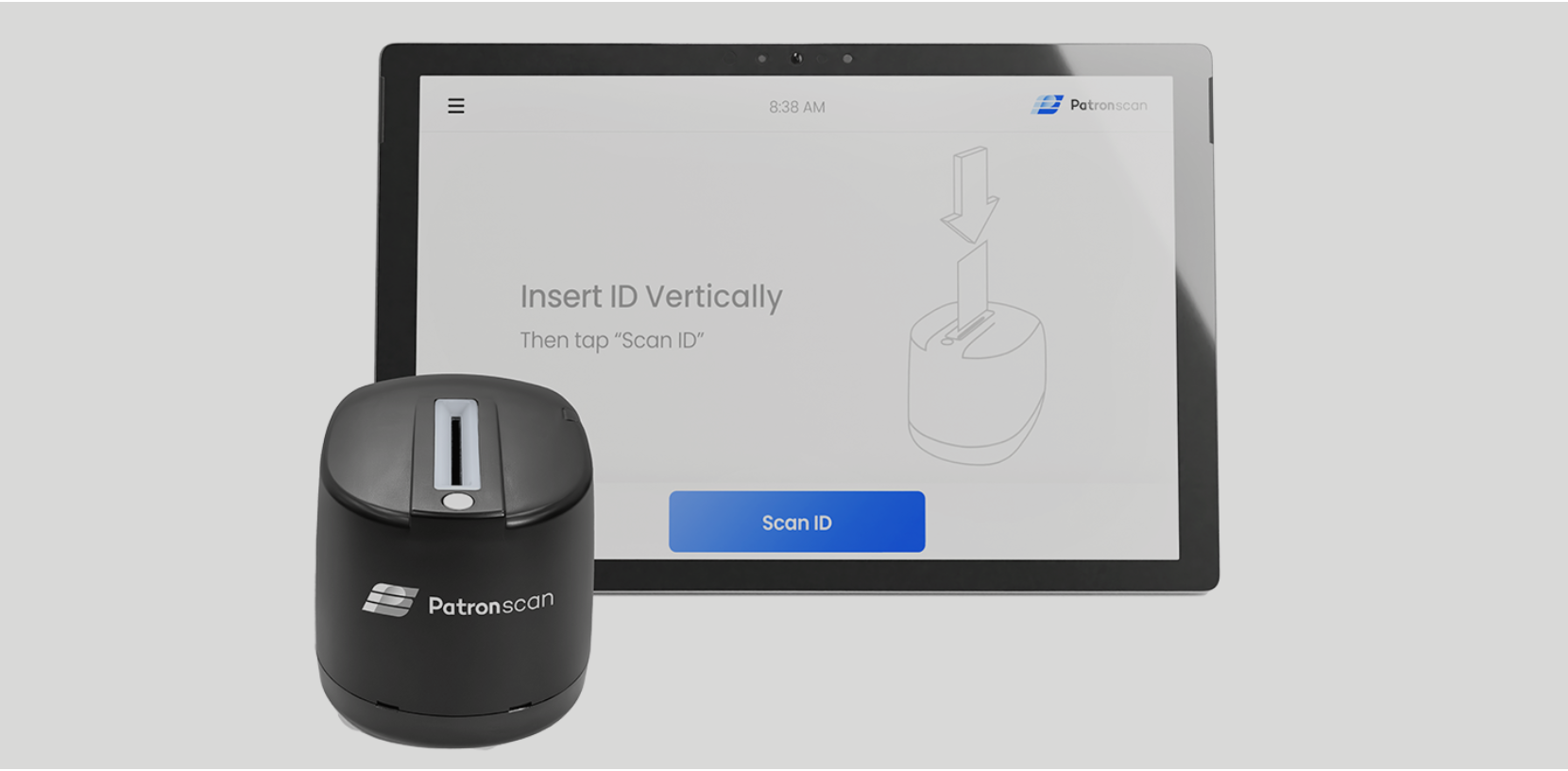
This is where technology like Patronscan’s advanced ID scanner for ID Validation becomes a game-changer in your security and loss prevention technology strategy.
3. How Patronscan’s ID Validation Helps Operators Stay One Step Ahead on Retail Theft Trends
Here’s how Patronscan’s solution supports retail environments in major ways:
- Instant Identity & Age Verification
Scanning government-issued IDs gives your team immediate validation of name, date of birth, document authenticity and allows you to flag anomalies.
- Fraud & Banned-Person Enforcement
Integrated lists of banned individuals, self-exclusion lists, or those suspected of fraud can be cross-checked at entry or registration points, preventing these high-risk actors from walking in.
- Audit Trail & Reporting
Every scan leaves a timestamped record. In high-shrink environments, an audit trail lets you identify retail theft patterns, repeat offenders, and supports investigations.
- Efficient Guest/Customer Flow
Rather than manual ID validation, which slows entry or registration, scanning speeds things up, which helps maintain customer satisfaction while improving security.
- Integration with Other Security Layers
ID scanning becomes part of a multi-layered strategy to combat retail theft: link it with CCTV, alarm triggers, occupancy analytics, or access-control systems to create a robust defense.
It’s not just about “catching bad IDs”, it’s about reducing risk, protecting staff, protecting inventory, and improving confidence in your location’s security posture in relation to retail theft.
4. Three Ways Retailers Should Deploy ID Scanning Now
Here are actionable suggestions for retail operations teams that are tasked with bringing retail theft under control:
- Entry/Registration Zones
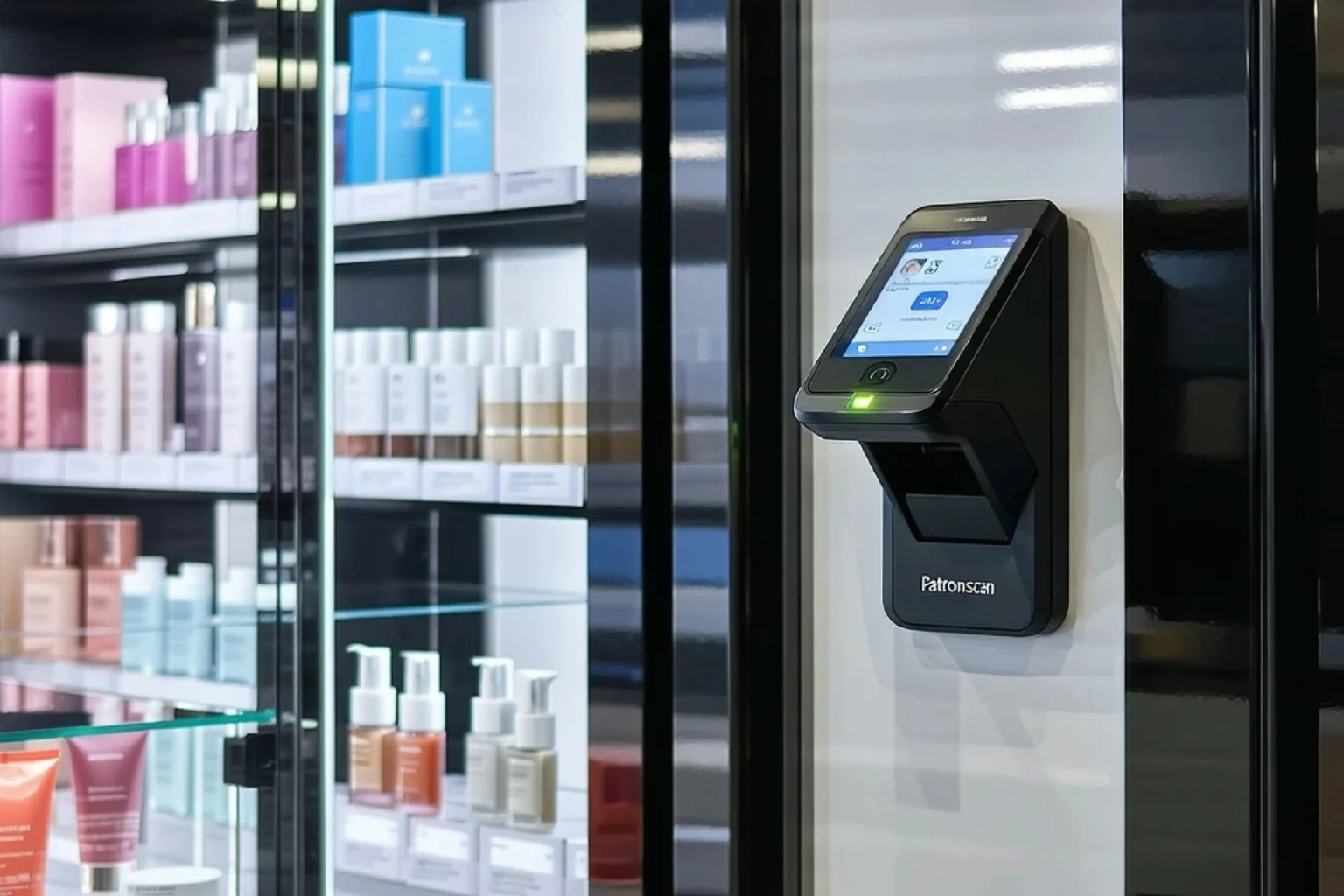
For stores with loyalty programs, membership check-in, or age-restricted products (liquor, tobacco, high value items), make ID scanning part of the process. - High-Risk Product Areas
Consider scanning or verifying identity when customers request access to premium or high-risk items (e.g., electronics, cigarettes, alcohol, high-end cosmetics) to deter theft. - Incident Follow-Up & Analytics
Use the data from scans to monitor patterns: suspicious repeat entries, flagged identities, time stamps of high loss events. Then adjust staffing, layout, or policy accordingly.
5. Why Now Is the Time to Act
- With retail theft and violence rising rapidly, every retailer needs smarter tools, not just to react, but to prevent.
- Failure to act may mean higher loss percentages, damaged reputation, lower staff morale, increased insurance / shrink costs.
- Investing in ID-verification technology positions retailers as proactive, trusted, and secure environments which increasingly matters to consumers and business partners alike.
6. Wrapping Up & What’s Next
The retail world is changing and retail theft threats are more sophisticated, and criminal actors are more daring. But you don’t have to face the challenge alone.
With Patronscan, you can add a robust layer of ID validation to your asset-protection toolkit, reduce risk, protect your team, and improve operational confidence.
It’s not about needing more staff; it’s about equipping them with smarter tools.
Get Started
Want to see how Patronscan fits into your store environment? Let’s set up a demo and explore how identity verification technology can work for your business.