What Makes Patronscan Different
Here is where Patronscan ID scanning systems have the edge
Book a Free Demo
Forensic Fake ID Detection
This is the most significant technical differentiator between the two platforms. Patronscan runs 8,500 checks per ID using UV, IR, and White Light sensors built into its proprietary hardware. This allows the system to detect tampered documents, cloned IDs, and sophisticated fakes that optical character recognition alone would pass.
iDU uses OCR-based scanning on a standard iPad, supplemented by government database verification – the Australian DVS and the US DMV – to confirm whether a document matches government records. Database verification is genuinely useful for confirming that an ID is not fabricated, but it does not detect physical document manipulation such as altered photos, changed dates, or laminated overlays.
ID Library Coverage
Patronscan recognises 14,000+ ID types from countries around the world. iDU supports 4,500+ IDs. For a venue that regularly sees international visitors, students, tourists, or travellers, Patronscan’s library is three times broader. Unrecognised IDs create friction at the door and, worse, create false confidence when a scan is not completed properly.
Purpose-Built Hardware vs iPad
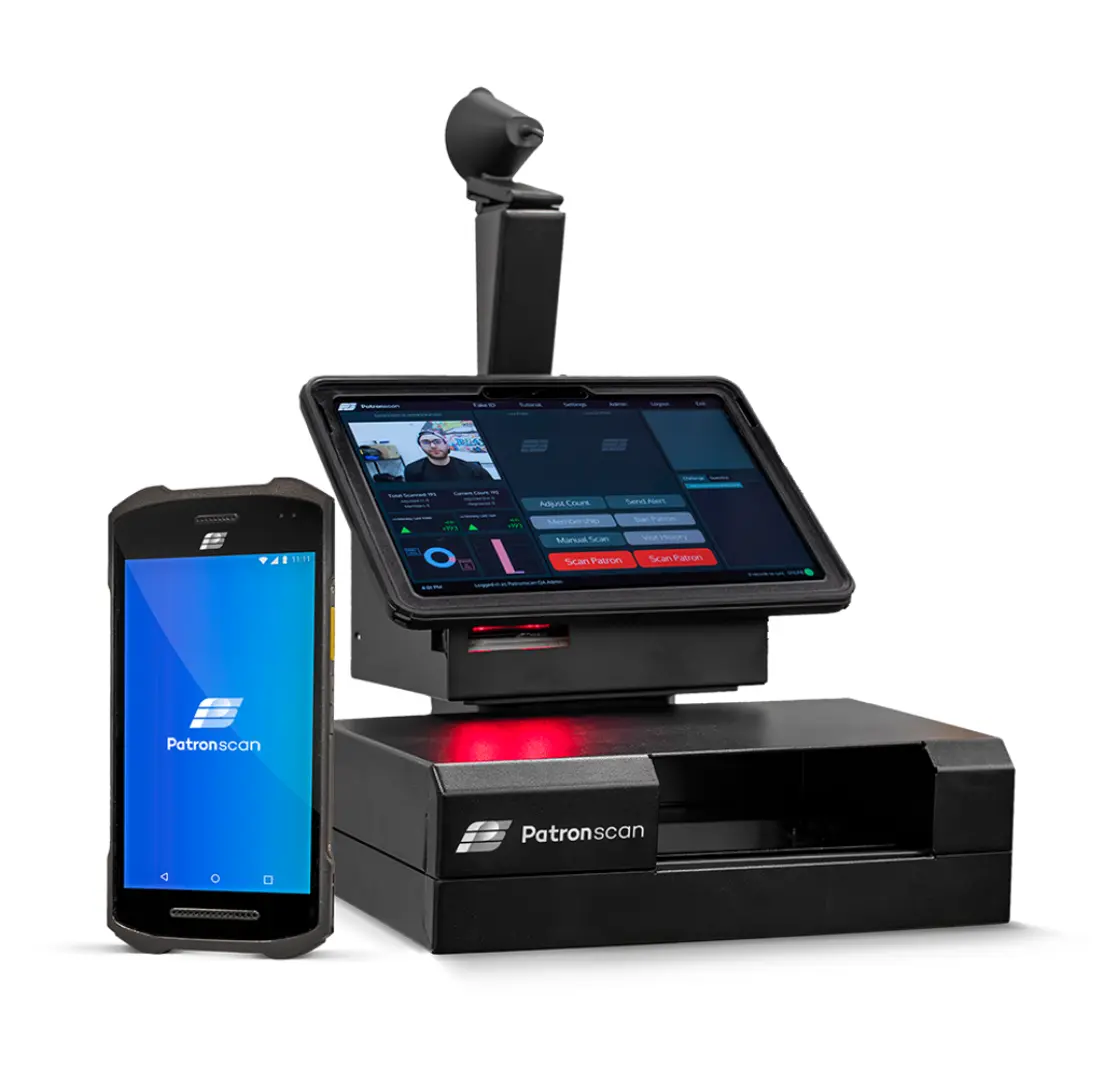
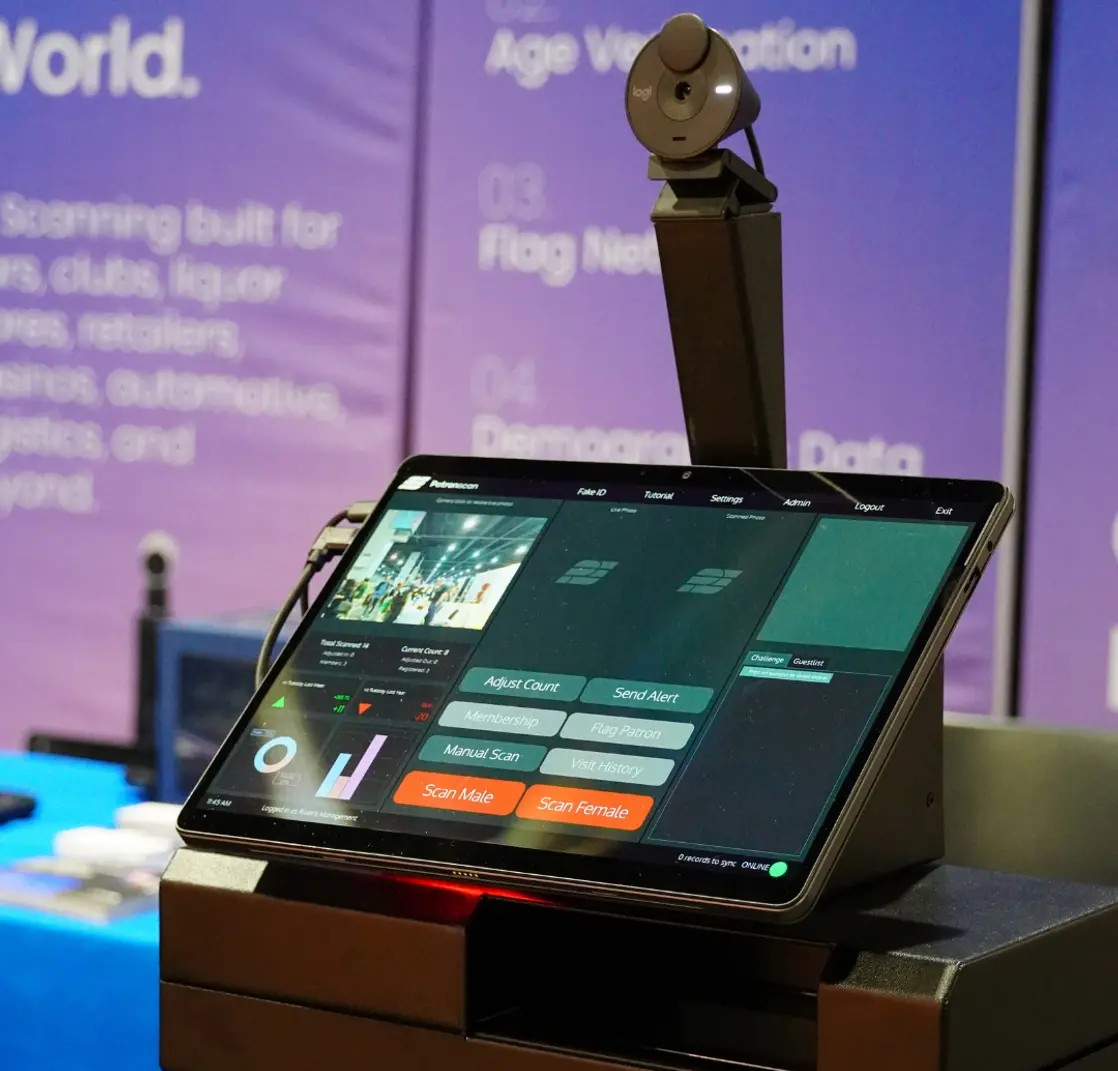
Patronscan designs and manufactures its own scanning hardware. The Guard+ ID scanner is a forensic countertop or kiosk unit with dedicated UV, IR, and White Light sensors. The Handheld ID scanner runs on an octa-core Qualcomm processor with 12 hours of battery life and cellular connectivity. Other options include the Wall Mount, Dualpass (two-sided), Omnipass, and Lite+, giving venues the right form factor for every entry configuration.
iDU runs on the iPad Mini or iPad Pro. The scanning capability is limited to the camera and software, without dedicated sensor hardware that enables UV and IR analysis. It also means venues are dependent on Apple’s hardware ecosystem and battery performance rather than a purpose-built scanning device.
From an operations perspective, purpose-built hardware also means repair, replacement, and support stay within one vendor relationship rather than splitting across two.
The Flag Network: Global vs Regional
Both platforms offer a shared flag network. The difference is scale and architecture.
Patronscan’s Flag Network operates across 300+ cities and distinguishes between Private Flags (internal to your organisation) and Public Flags (shared across the entire Patronscan network). A patron flagged for assault at a bar in one city will trigger an alert at a Patronscan venue in another city without any coordination between venues. The network has facilitated a reported 97% reduction in incidents at participating venues.
iDU’s Connected Ban Network shares bans across iDU-connected venues in Australia, New Zealand, and the United States. For Queensland operators in particular it works well within the local nightlife ecosystem. The network is smaller in scale and more geographically concentrated than Patronscan’s.
Multi-Industry Reach
iDU is built for hospitality venues: bars, nightclubs, RSL clubs, sports clubs, and gaming venues. Patronscan operates across 14 distinct industries including automotive dealerships (test drive fraud prevention), retail (loss prevention), financial institutions (KYC and onboarding), logistics and transportation, municipalities, convenience stores, property management, and casinos.
This matters in two ways. First, if your organisation operates across different business types, Patronscan serves all of them from a single platform. Second, a platform built for 14 industries has solved a far wider set of real-world problems. That operational depth shows up in product maturity, compliance tooling, and support capability.
Physical Access Control (IVAC)
Patronscan’s IVAC system connects ID verification directly to physical door control. When a patron scans a valid ID, the door unlocks. When an ID fails, or when a flagged patron is detected, the door stays locked and an alert is triggered. This is used in convenience stores, cannabis retail, restricted access areas, and age-gated venues.
iDU does not offer physical access control. Admission decisions at the door still rely on a staff member acting on information shown on the iPad screen.
Online ID Verification
Patronscan offers online identity verification, allowing organisations to verify IDs remotely before a patron or customer arrives. This is used for pre-enrollment, online age gating, and KYC flows for regulated businesses. iDU does not currently offer this capability.
Scale, Experience, and Stability
Patronscan has been operating for over 20 years. It has processed 500 million ID verifications and detected more than 10 million fake IDs. The platform has been through multiple technology cycles, regulatory changes, and market conditions.
iDU was founded in 2020 and achieved OLGR approval in June of that year. The company has grown quickly and has strong testimonials from the Queensland market. However, it is a relatively young company in an industry where institutional knowledge, product depth, and financial stability matter.
For operators signing multi-year agreements or deploying across enterprise-scale operations, the longevity and track record of the vendor matters.