Our technology is used by venues and organizations that are trying to create safer environments for their guests, staff, and communities.
At Patronscan, we understand that identity verification technology raises important questions about privacy, safety, transparency, and trust.
Those questions are fair.
Our technology is used by venues and organizations that are trying to create safer environments for their guests, staff, and communities. That work matters, but so does the responsibility that comes with it. Any technology that involves identity verification should be held to a high standard, and companies operating in this space should be prepared to answer direct questions about how their systems work, how they protect information, and how they respond when concerns are raised.
One question that occasionally comes up relates to a lawsuit filed in Illinois involving Patronscan and allegations under the Illinois Biometric Privacy Act, commonly known as BIPA.
We want to address that matter directly.
The lawsuit has been resolved
Patronscan was named in a lawsuit in Illinois involving allegations under BIPA. Patronscan denied liability and wrongdoing in the matter. The lawsuit was resolved through a settlement agreement for $3,000.
The decision to settle was a practical one.
Patronscan spent more than $100,000 in legal fees responding to the matter. We cooperated with all parties and provided software logs, technical specifications, other information requested, and offered to provide source code as part of the process. After significant time, expense, and distraction, we made the decision to resolve the matter and move forward.
A settlement is not an admission of wrongdoing. In this case, Patronscan denied liability and wrongdoing, and the matter was resolved to avoid the continued expense, risk, exposure, inconvenience, and distraction of litigation.
Patronscan has not deployed facial recognition technology in the United States
We also want to address an important point clearly.
At no time has Patronscan deployed facial recognition technology in Illinois, or in any state in the United States.
This distinction matters.
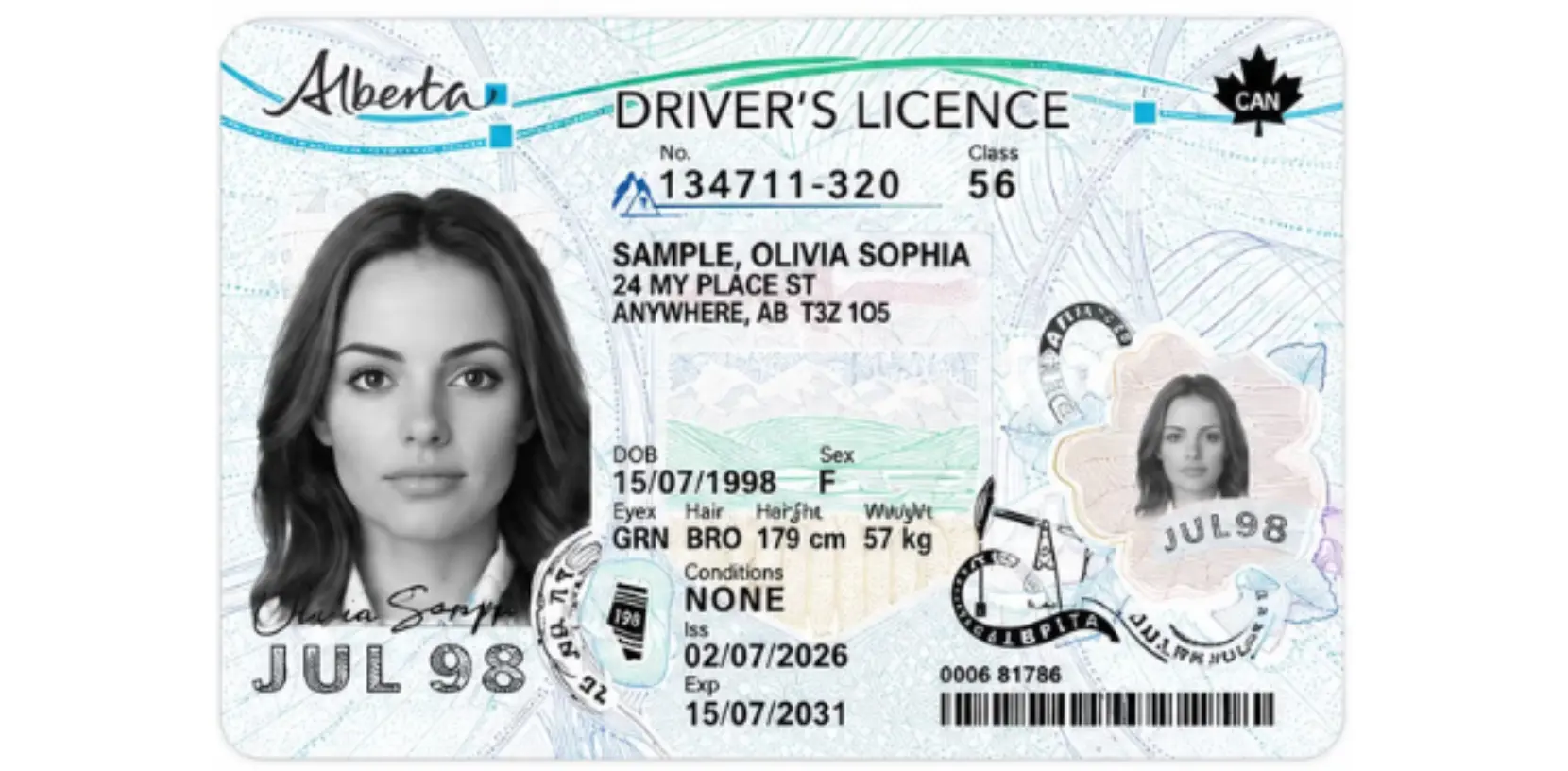
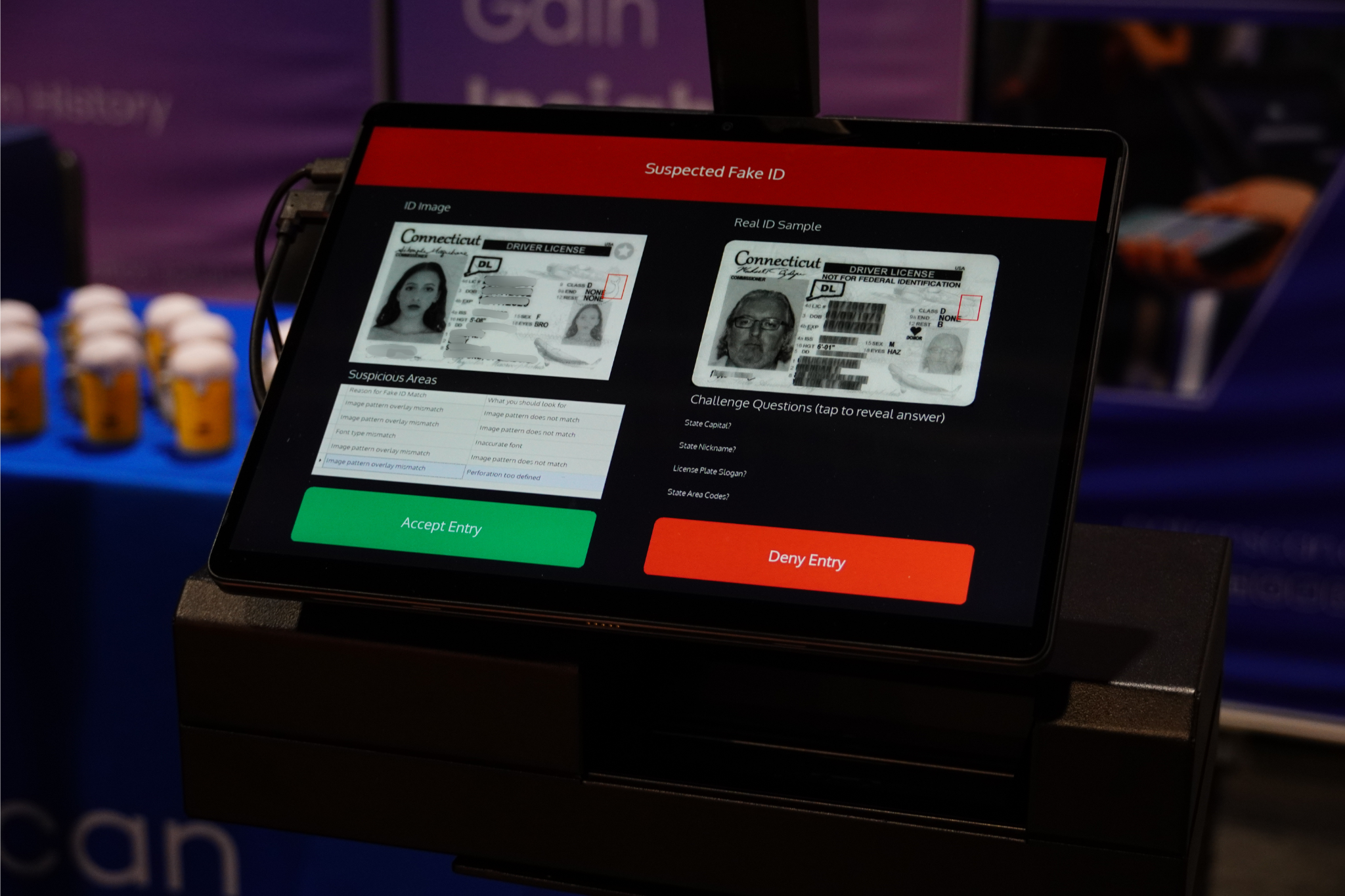
Identity verification, ID scanning, and facial recognition are often discussed together, but they are not the same thing. Patronscan’s core technology is designed to help venues verify government-issued identification, identify fraudulent IDs, manage access decisions, and support safer operations. It is not a facial recognition system deployed in U.S. venues.
We recognize that the public may not always see these distinctions clearly, especially when privacy, biometrics, and identity technology are discussed in broad terms. That is why we believe it is important to be specific about what our technology does, what it does not do, and how we expect it to be used.
Why privacy questions matter
The goal of Patronscan is not simply to provide technology. Our goal is to help venues make better, safer, and more consistent decisions at the door.
That work can support real-world outcomes: reducing repeat incidents, identifying fake IDs, helping prevent underage entry, supporting staff safety, and giving operators tools to manage access in a more accountable way.
But safety and privacy cannot be treated as separate priorities.
For identity verification technology to be trusted, it must be supported by responsible use, appropriate policies, clear customer education, and ongoing attention to privacy requirements. We believe privacy is not a barrier to effective safety technology. It is part of what makes safety technology responsible.
How we responded
When the Illinois matter was raised, Patronscan did not ignore it.
We cooperated with the process, provided information that was requested, and reviewed the allegations carefully. We incurred substantial legal costs and made the practical decision to resolve the matter rather than continue spending time and resources on litigation.
We understand that lawsuits can create questions for customers, partners, regulators, and the public. We also understand that a short reference to a lawsuit rarely tells the full story.
The full story is this: Patronscan denied wrongdoing, cooperated throughout the process, spent significantly more defending the matter than the amount for which it was ultimately resolved, and settled the case so we could stay focused on our customers, our product, and our responsibility to the communities our technology supports.
Our commitment
Patronscan operates in a sensitive and important category. It is not taken lightly.
We will continue to invest in product reliability, customer education, privacy-conscious processes, and clear communication about how our technology works. We will continue to support venues that are working to reduce violence, fraud, underage access, theft, and repeat safety incidents. And we will continue to take privacy questions seriously, because public trust is essential to the responsible use of identity verification technology.
Communities can be safer without sacrificing accountability.
Venues can use better tools while still respecting privacy obligations.
And when questions are raised, the right response is to address them directly.
When someone brings hatred, prejudice, or harmful intent into an LGBTQ+ space and gets flagged, our system makes sure they can't just walk into the next LGBTQ+ space down the street.